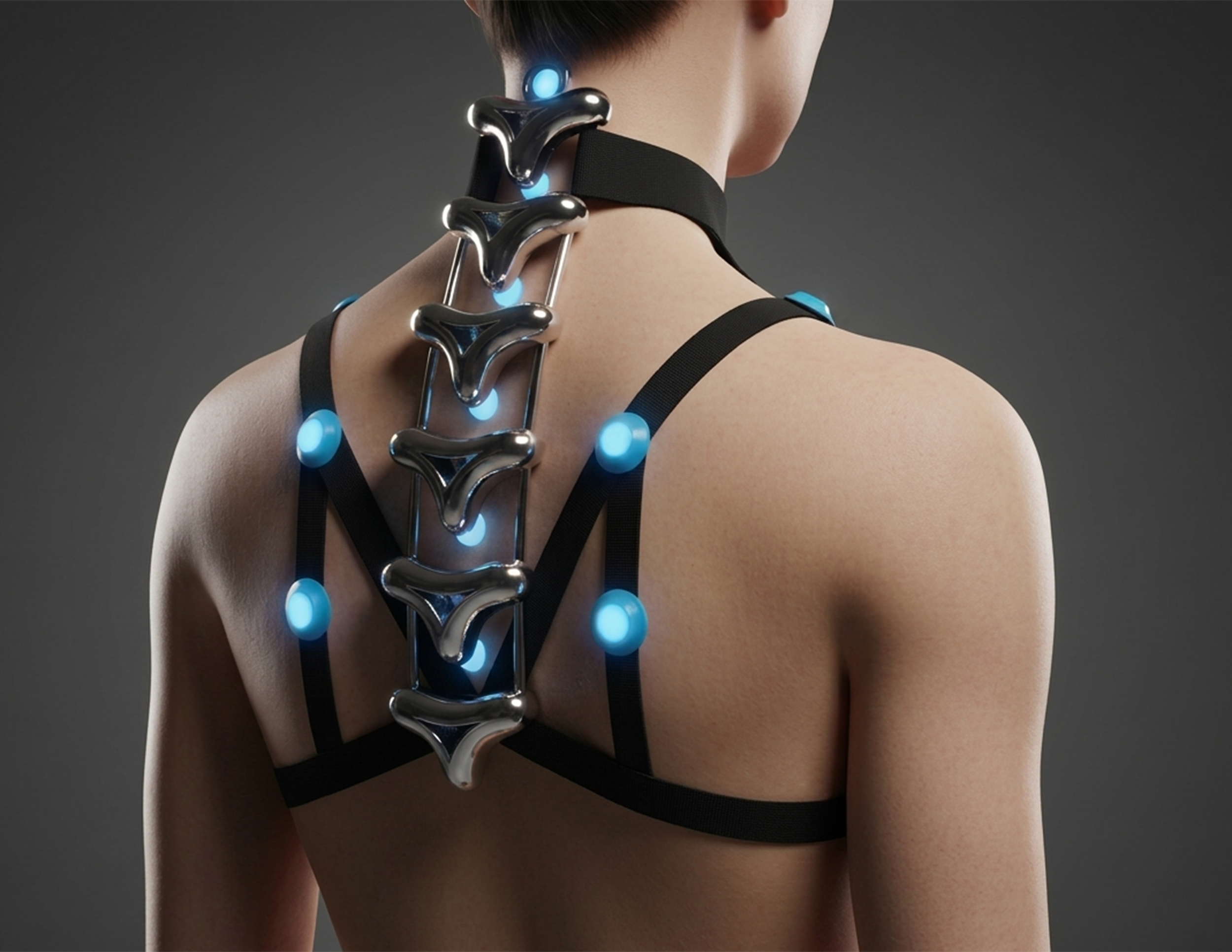
Render aided with AI*
A wearable response to the posture crisis of the future
Set 20 years in the future, this speculative design project explores the long-term physical consequences of a screen-dominated society where poor posture has become normalized. As prolonged phone and device usage reshape human behavior, conditions such as “text neck” are expected to become increasingly severe, affecting spinal health, muscular development, and painful everyday movement.
Take back your posture. Show Some Spine
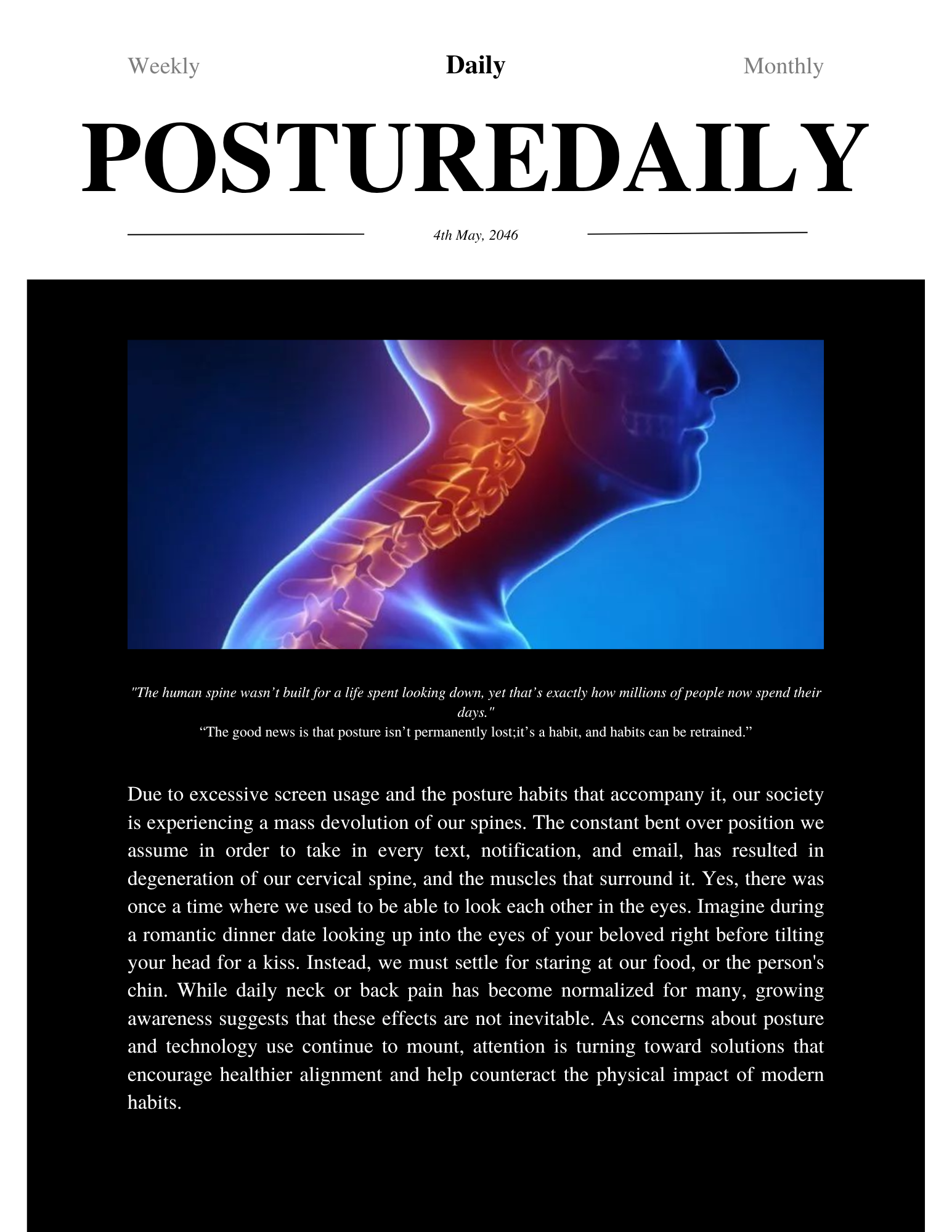
“Tilt your head forward 60 degrees, and the force on the cervical spine can rise to nearly 60 pounds.”
— Northwestern Medicine“The human spine was never designed for a life spent looking down.”
— Northwestern Medicine“Text neck is more than discomfort—it reflects how digital behavior is physically reshaping the human body.”
— Chiropractic Chicago“What feels like a harmless daily habit may contribute to long-term spinal stress, muscular imbalance, and chronic pain.”
— University of Maryland Medical System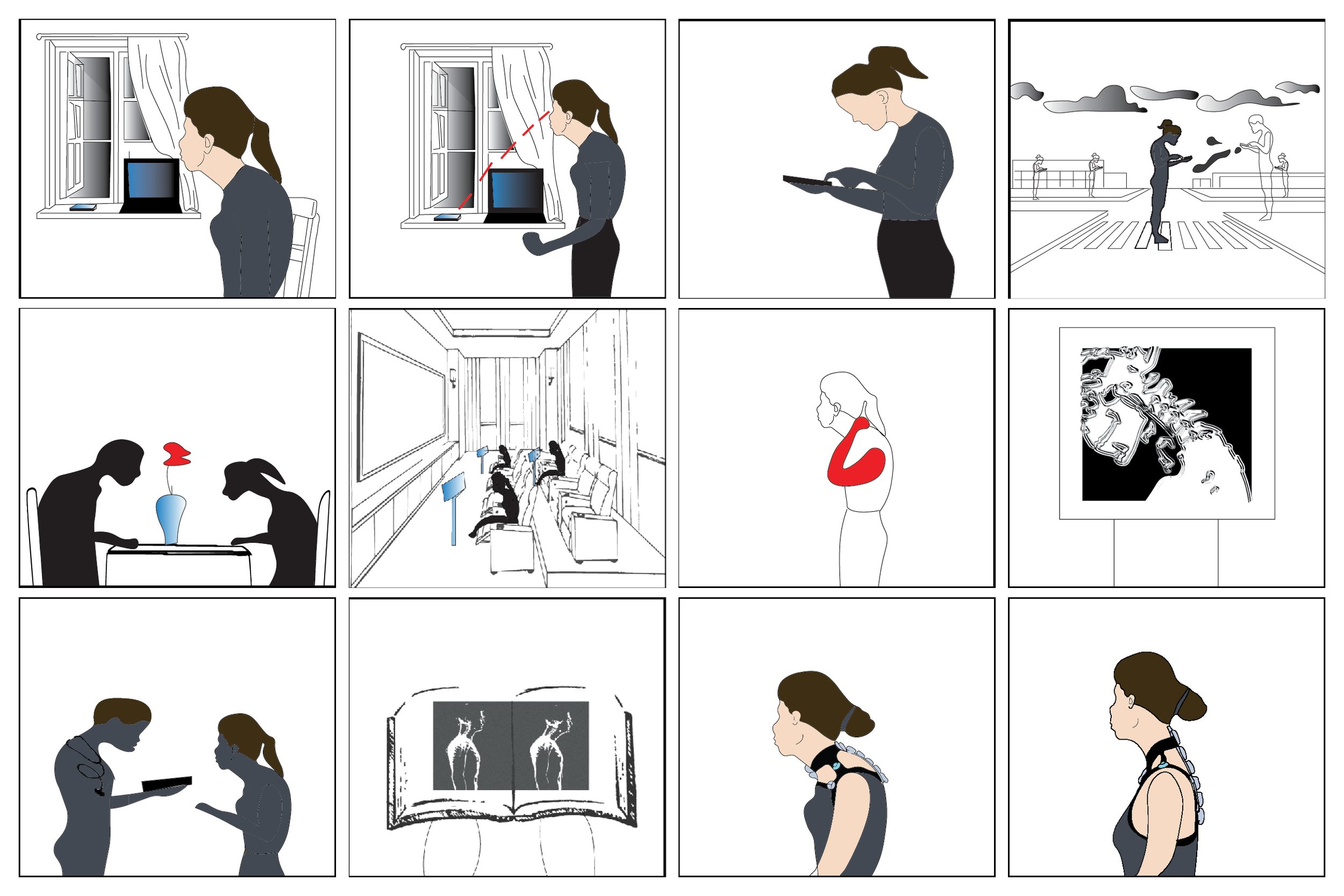
This storyboard explores the rise of “text neck” in a future shaped by constant screen use. It illustrates how prolonged downward posture affects spinal health, social interaction, and everyday behavior, leading to chronic strain and postural degeneration. The final panels introduce the wearable rehabilitation device as a speculative solution designed to retrain posture through adaptive support and active correction.
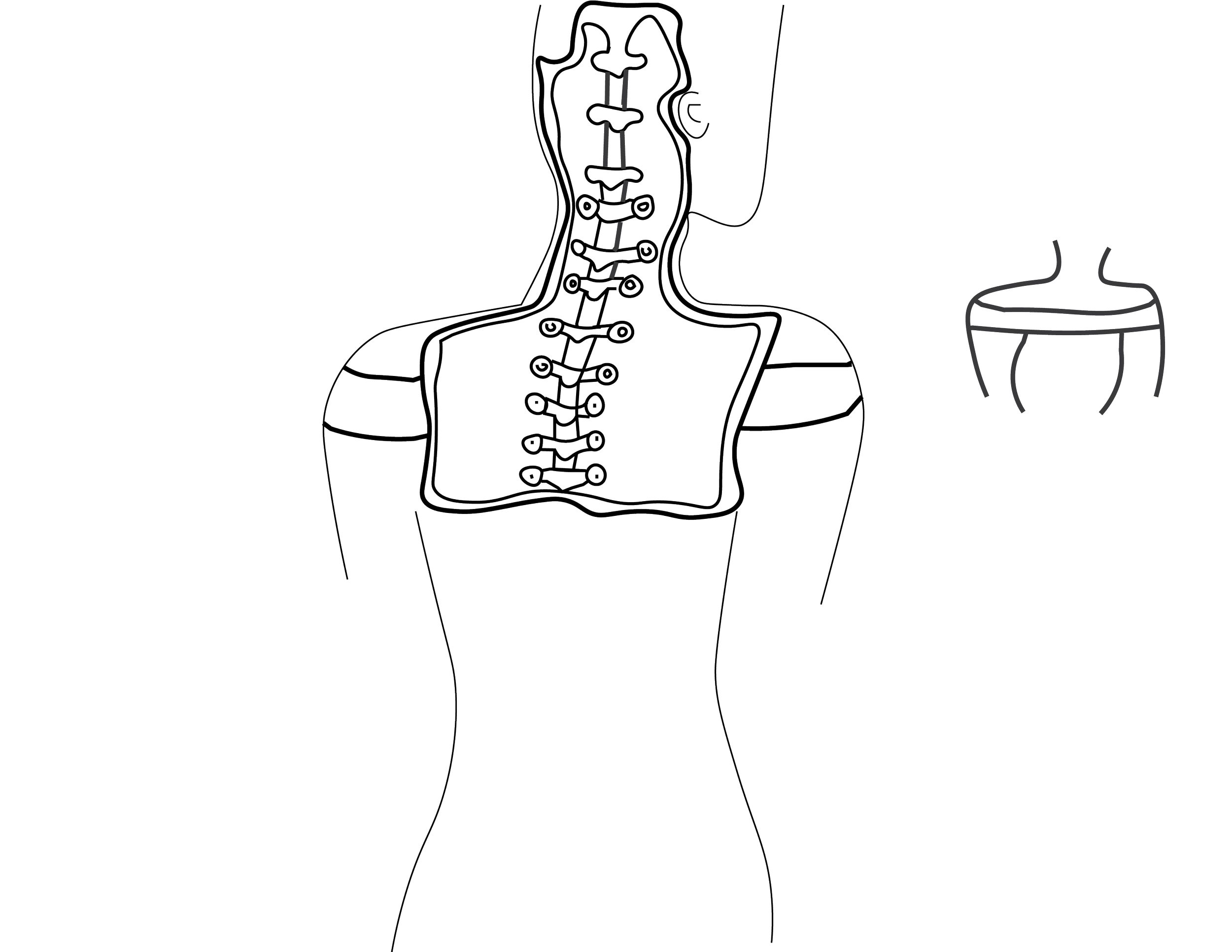
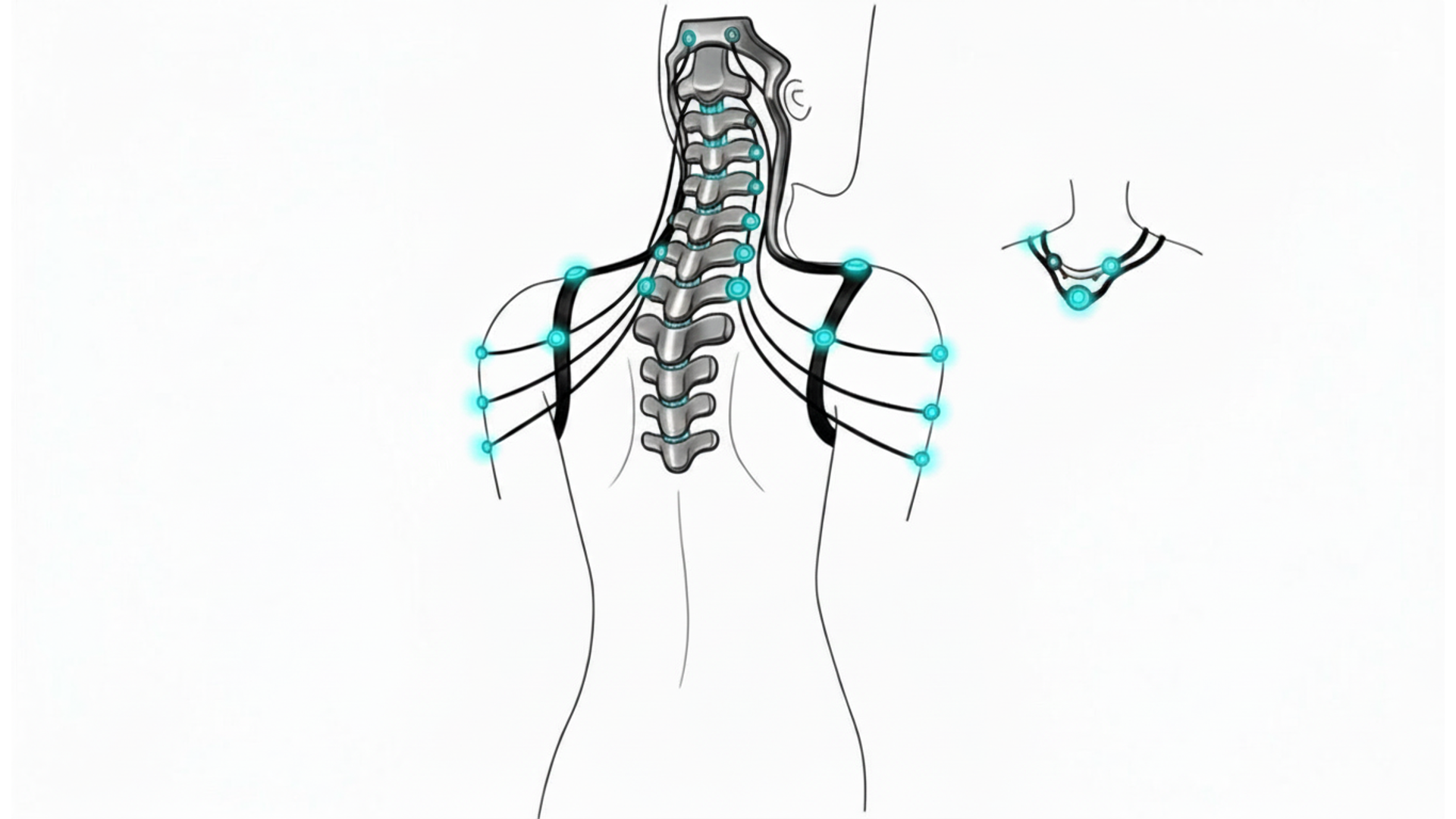
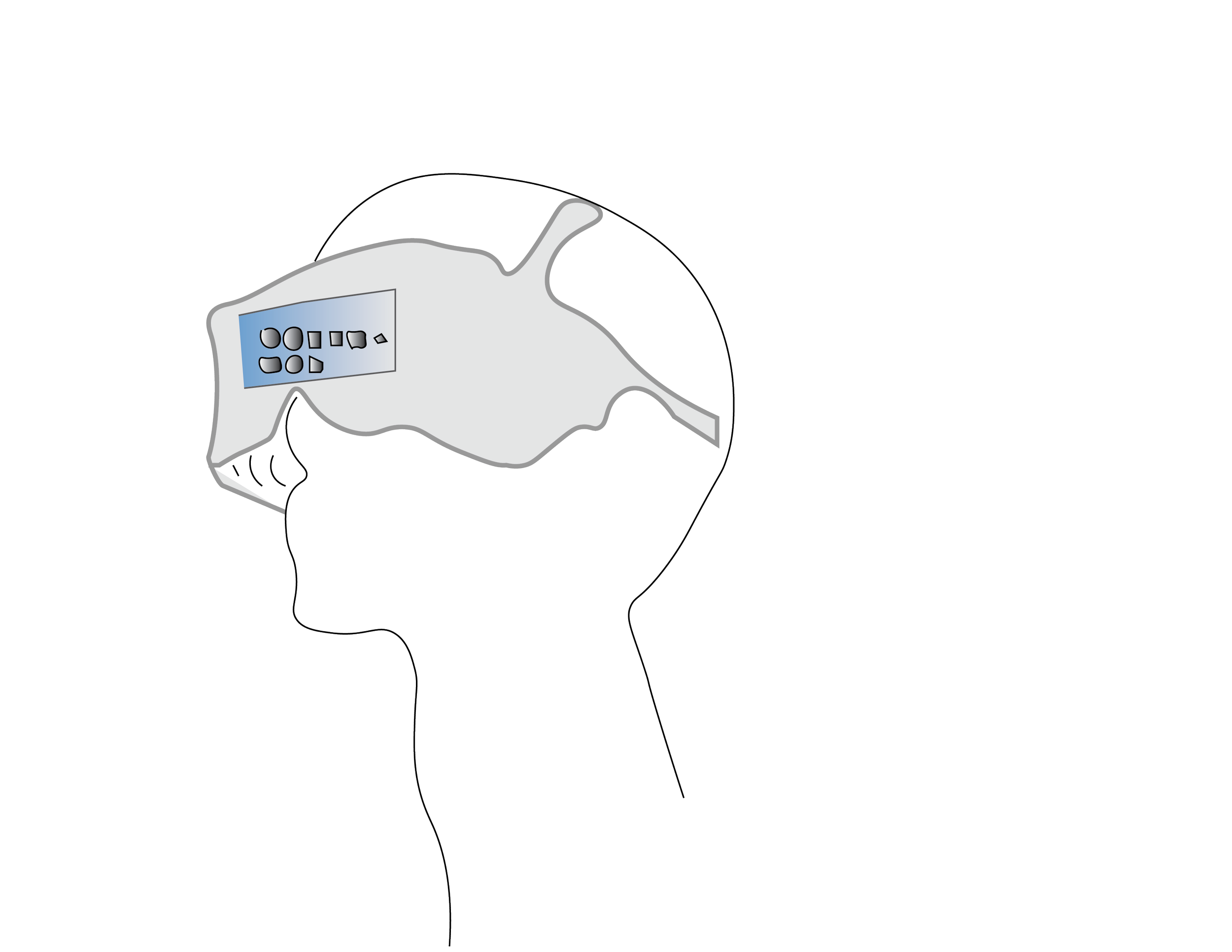
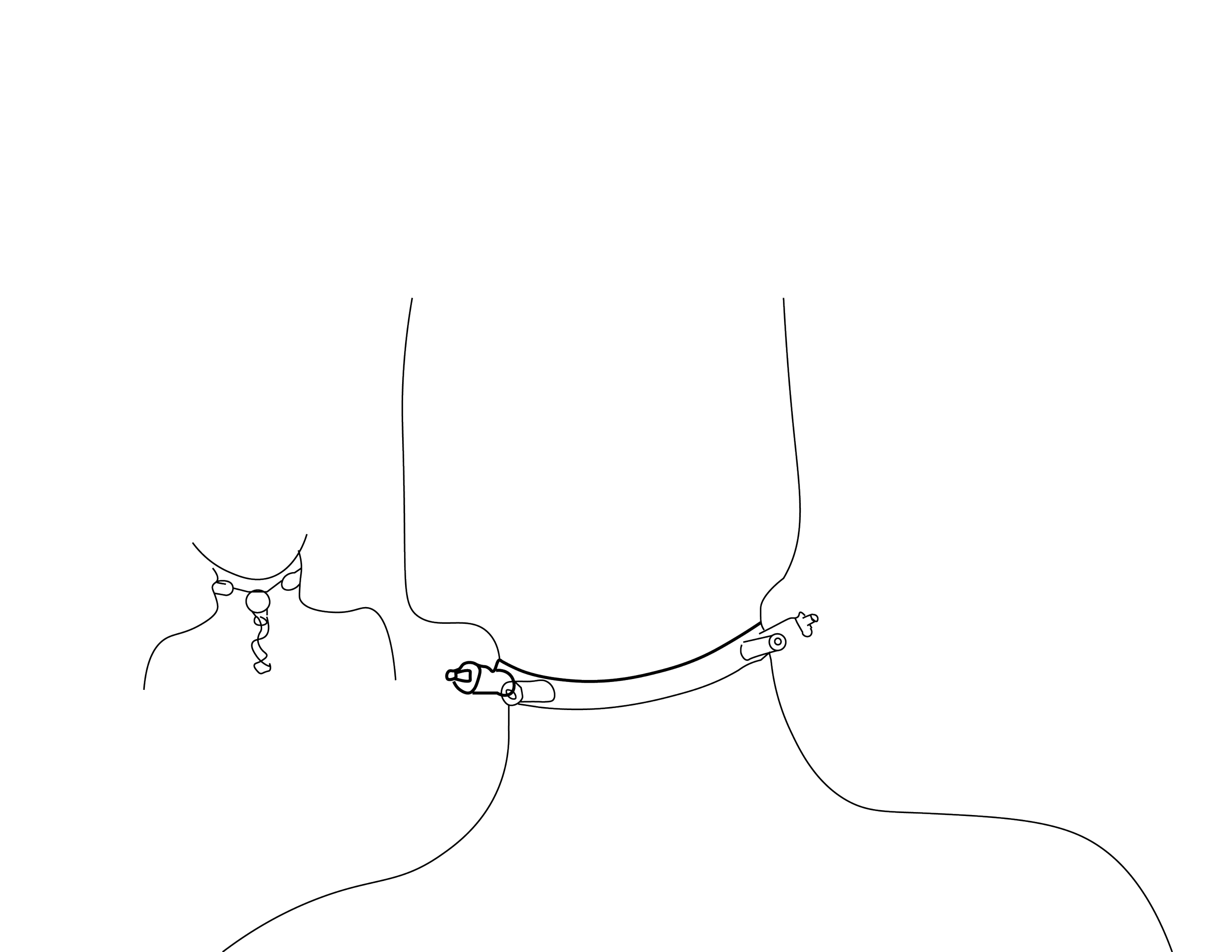
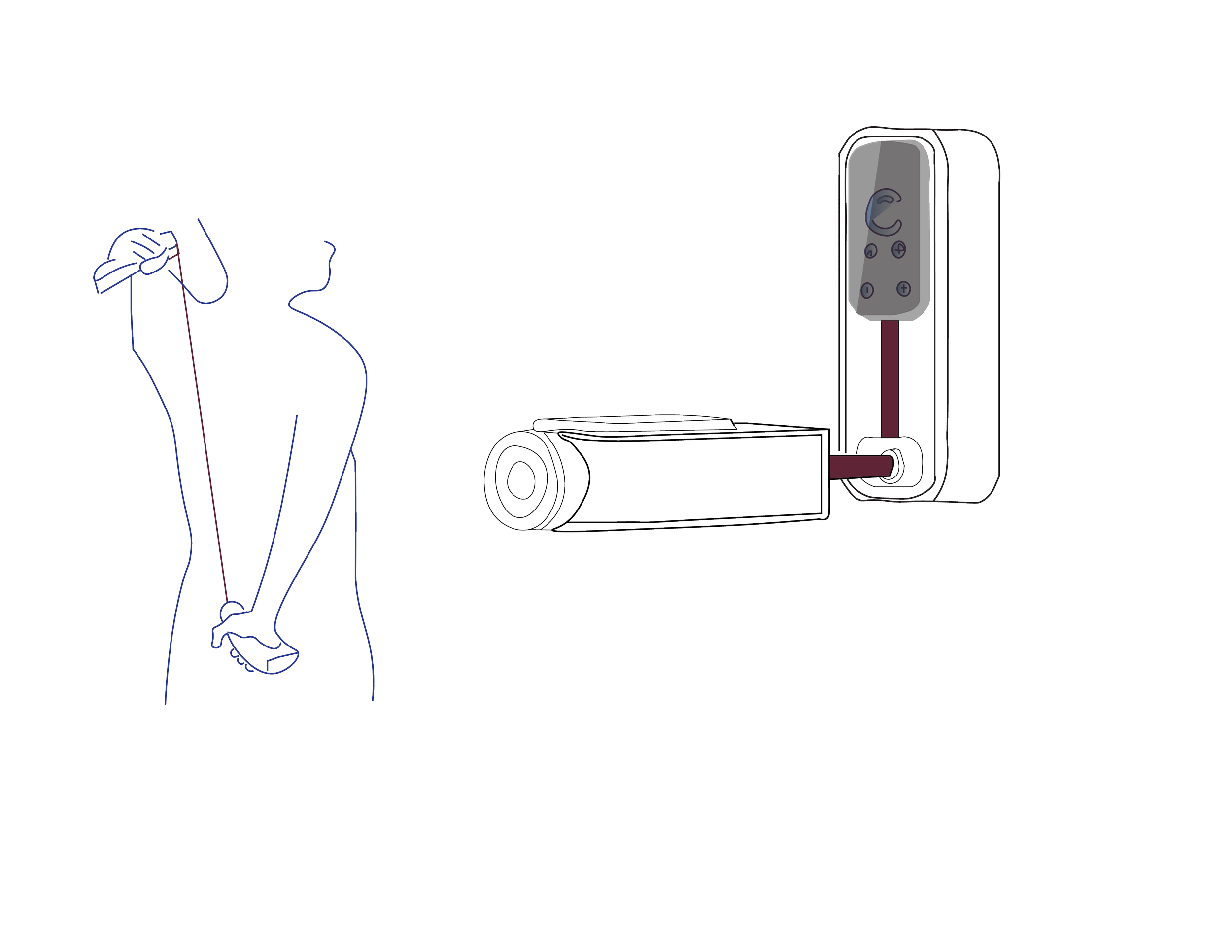
Sketching Potential Solutions
Prototyping
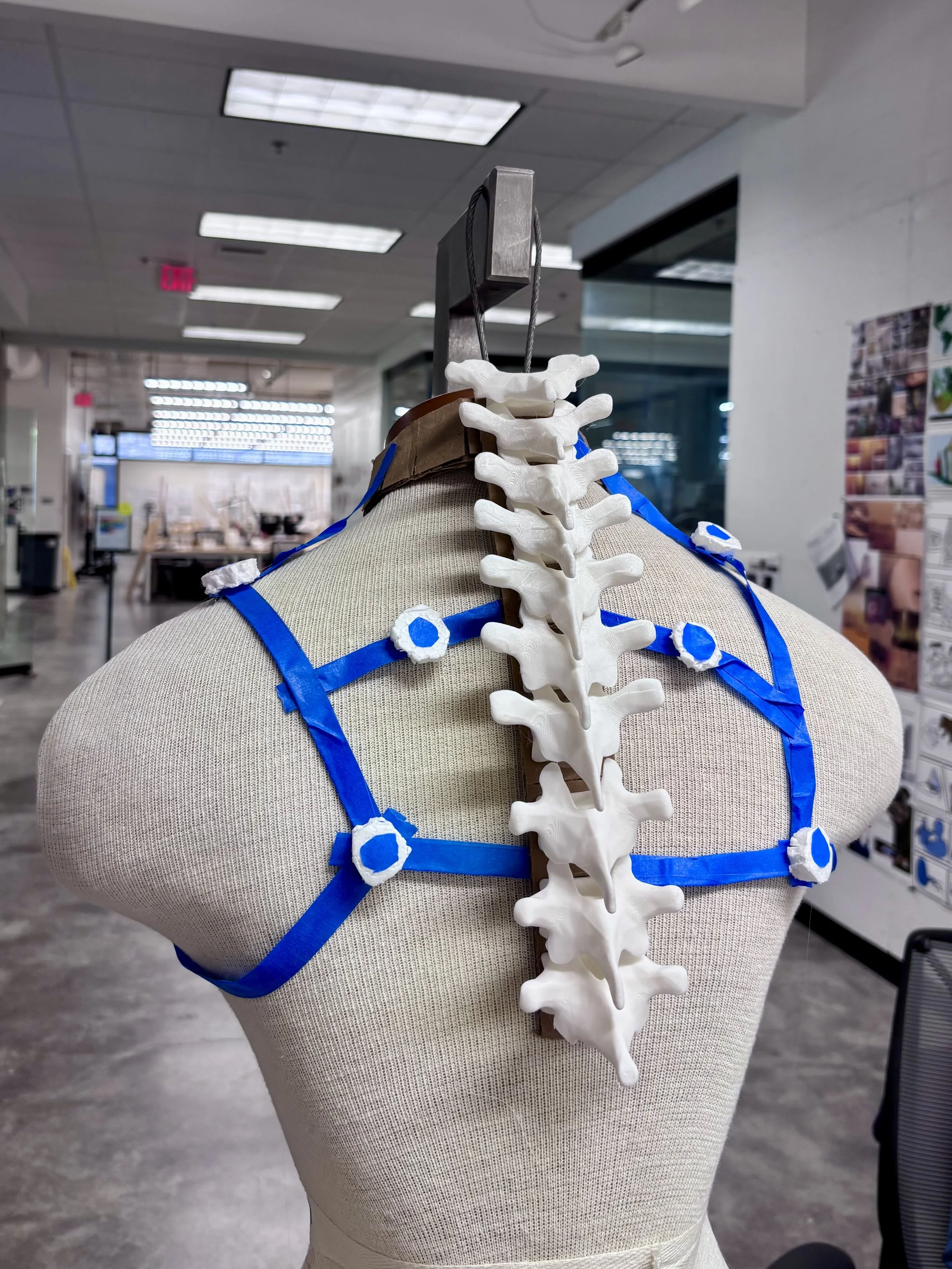
This quick prototype explores the physical layout and wearability of the posture rehabilitation device through low-fidelity material testing. 3D-printed spinal components were attached to articulated cardboard to mimic the natural curvature and movement of the spine, while tape was used to emulate fabric integration and foam elements represented embedded sensor locations. The model served as an early exploration of how the components conform to the body,
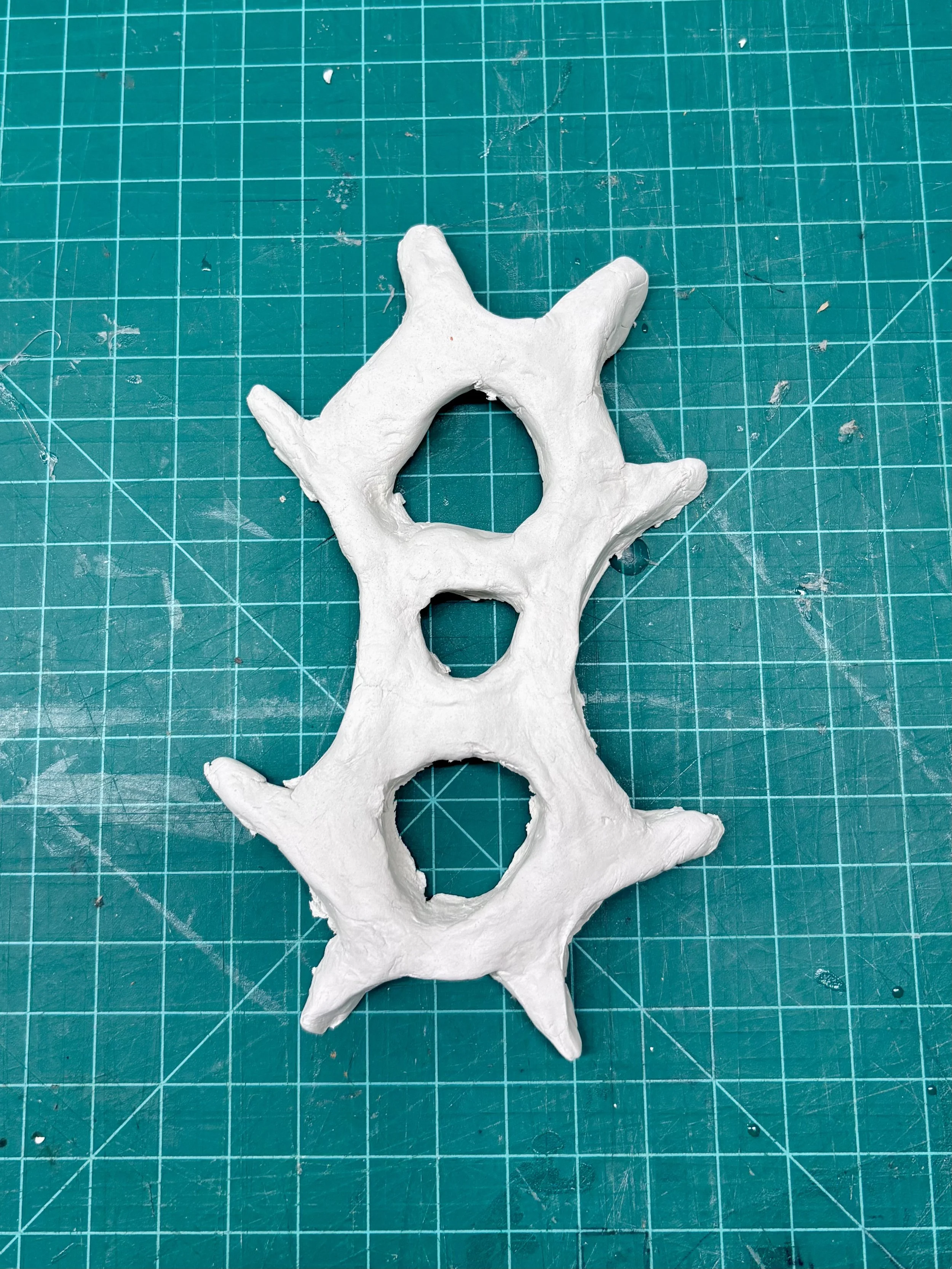
A clay exploration of more organic representation of the spinal centerpiece.
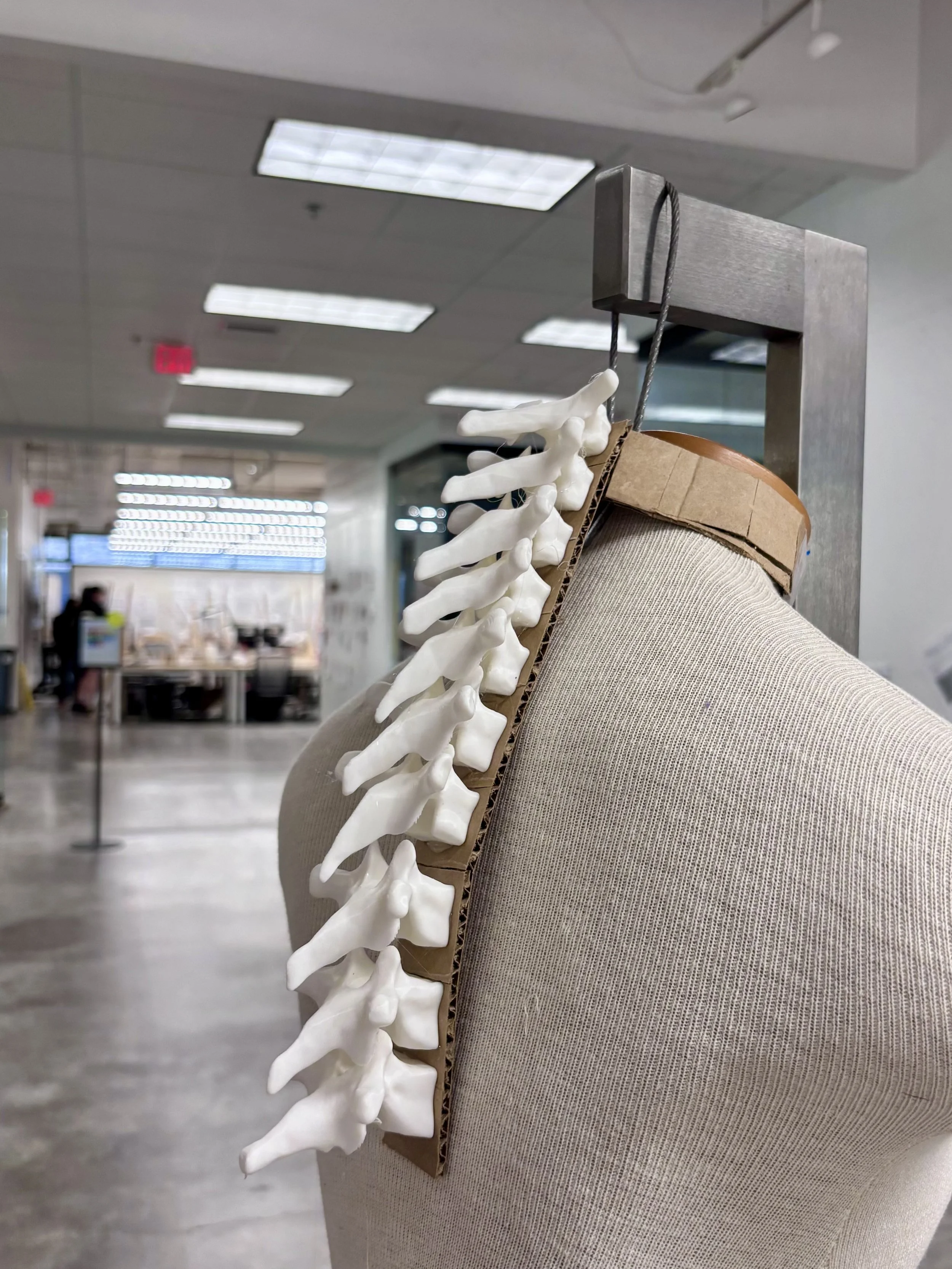
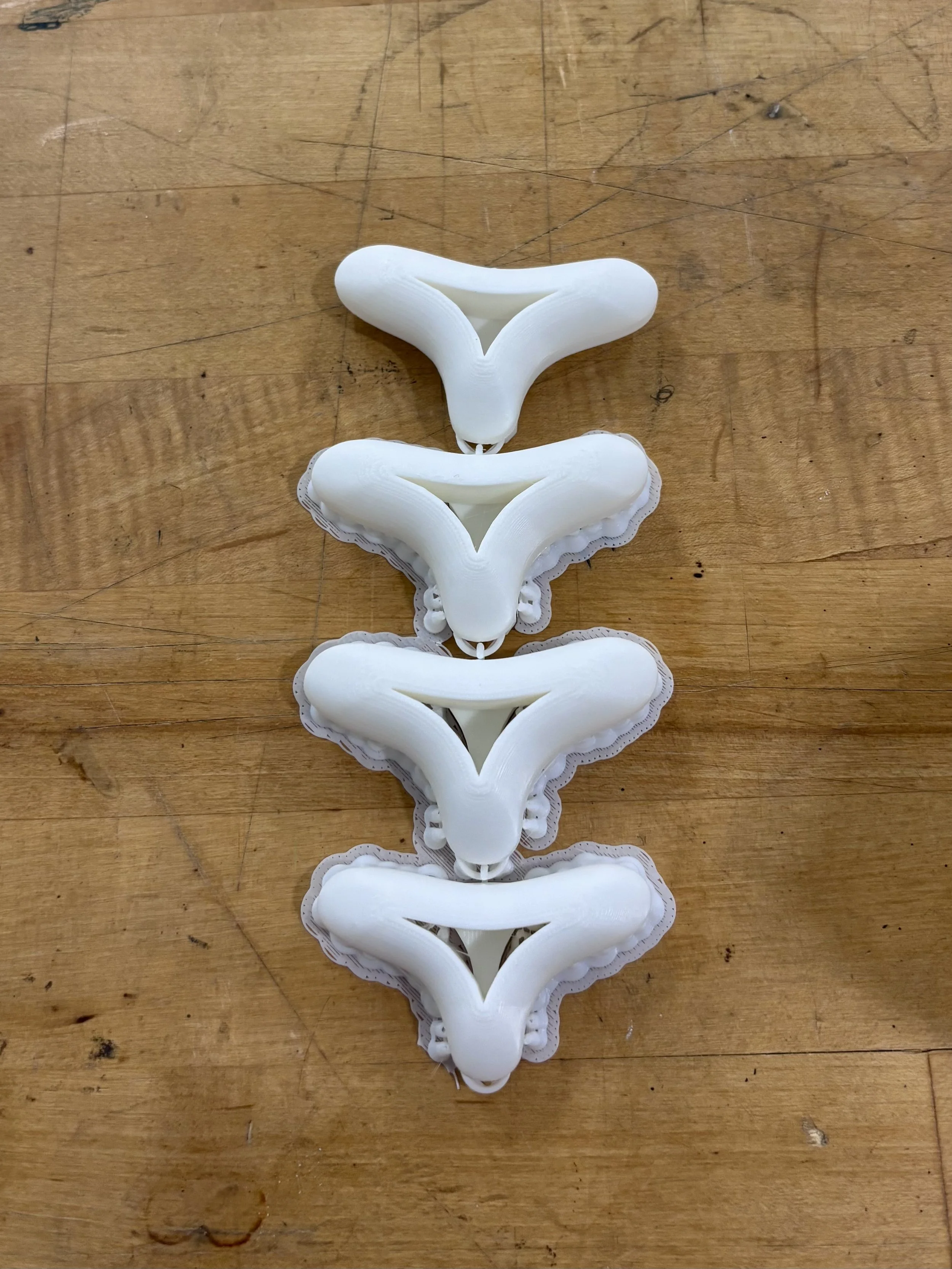
Originally, I intended for the spinal centerpiece to be articulated with chain-like loops. However, I realized this approach wasn’t sturdy enough to serve as a structural focal point, nor flexible enough to properly conform to the spine.
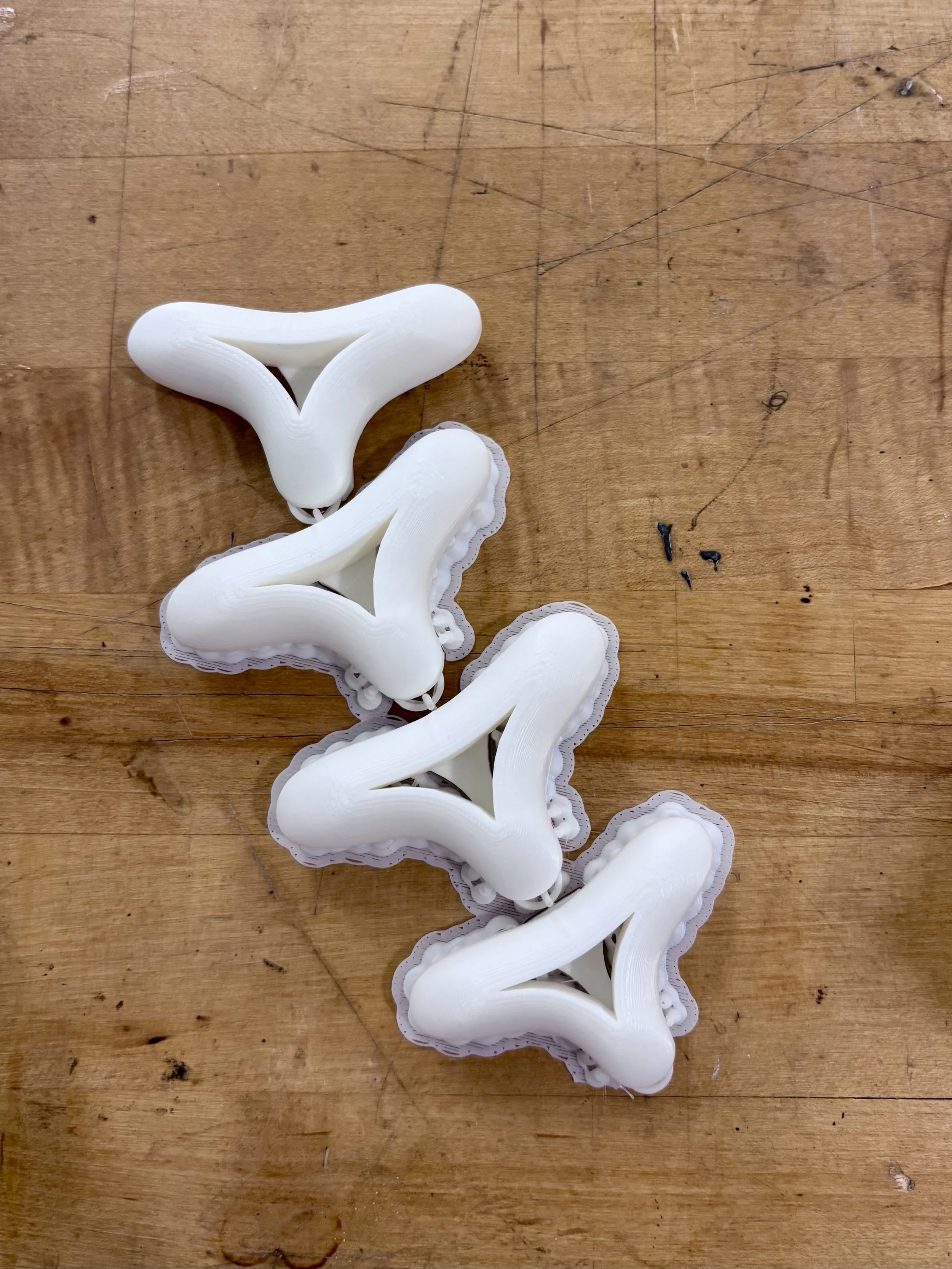
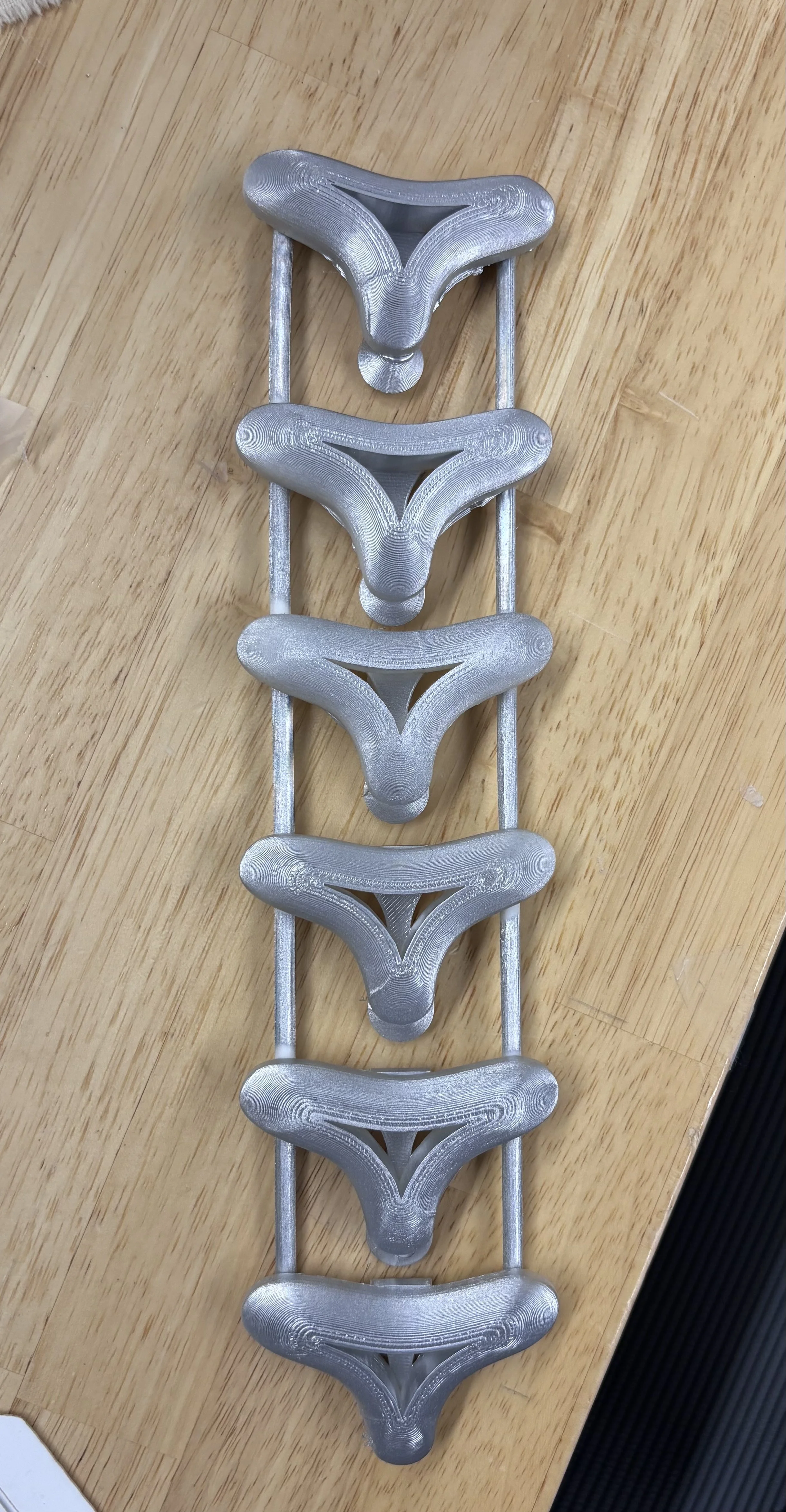
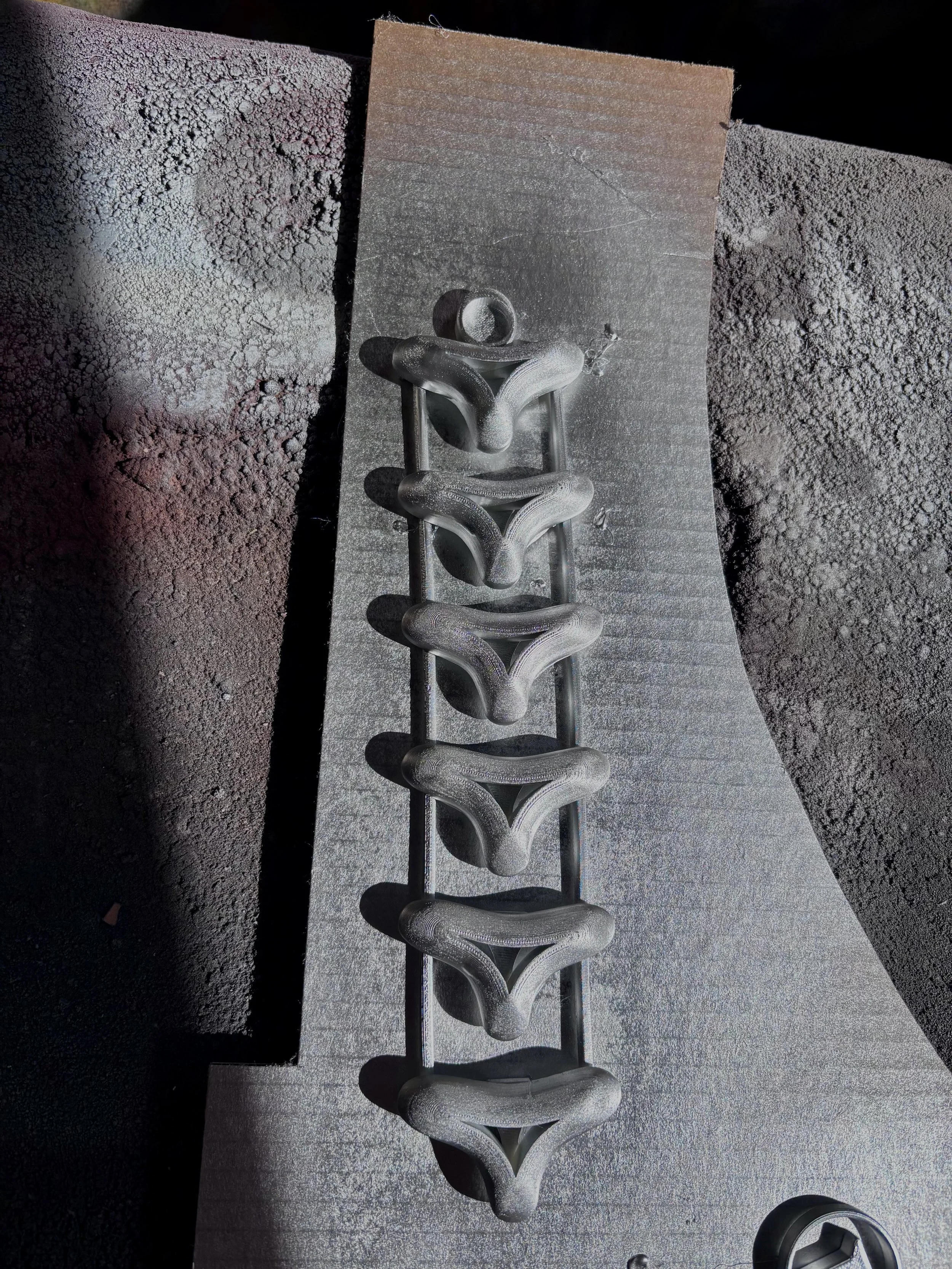
I pivoted to sliding the parts onto rods, but that approach proved too rigid to conform to the spine.
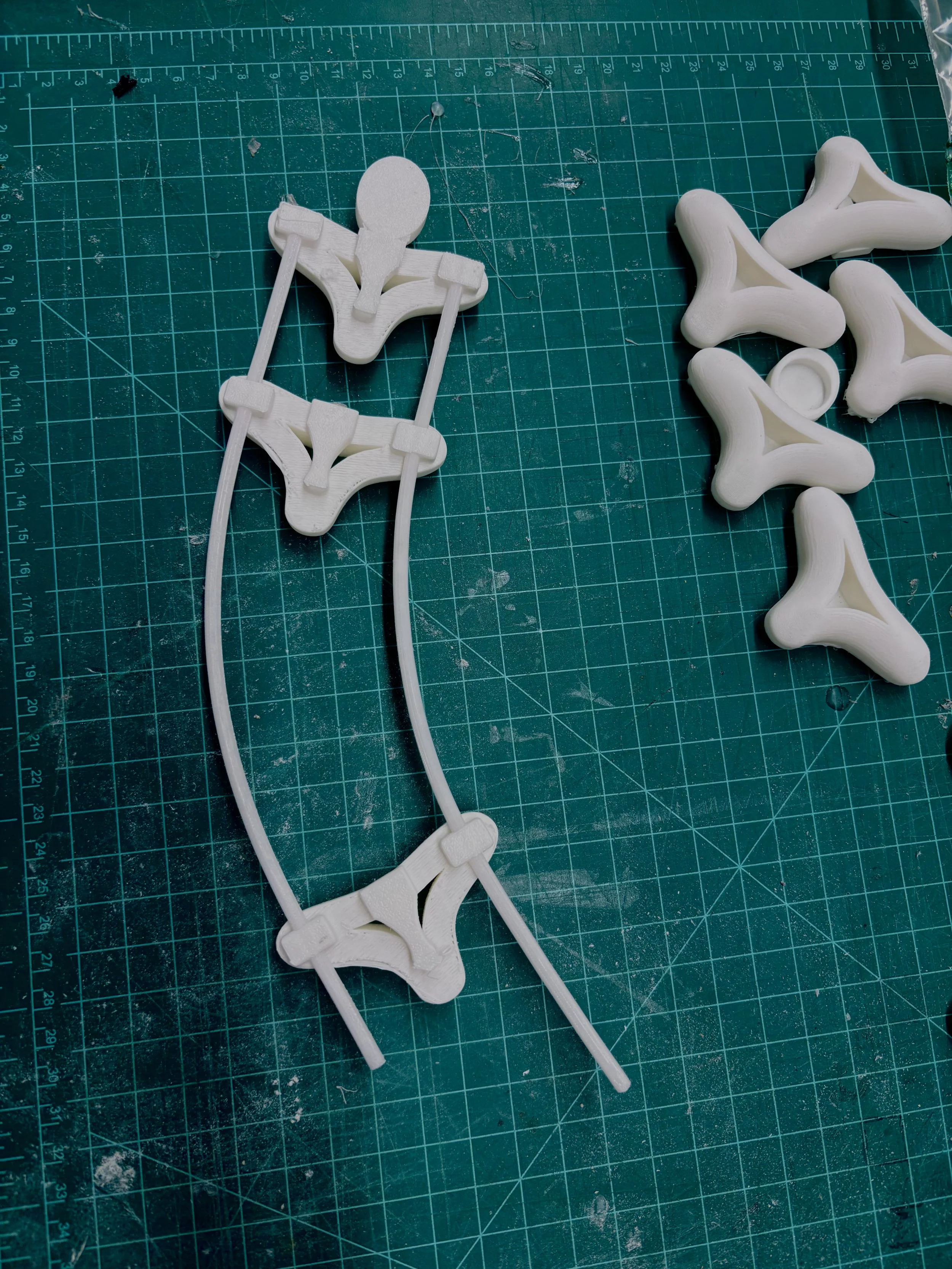
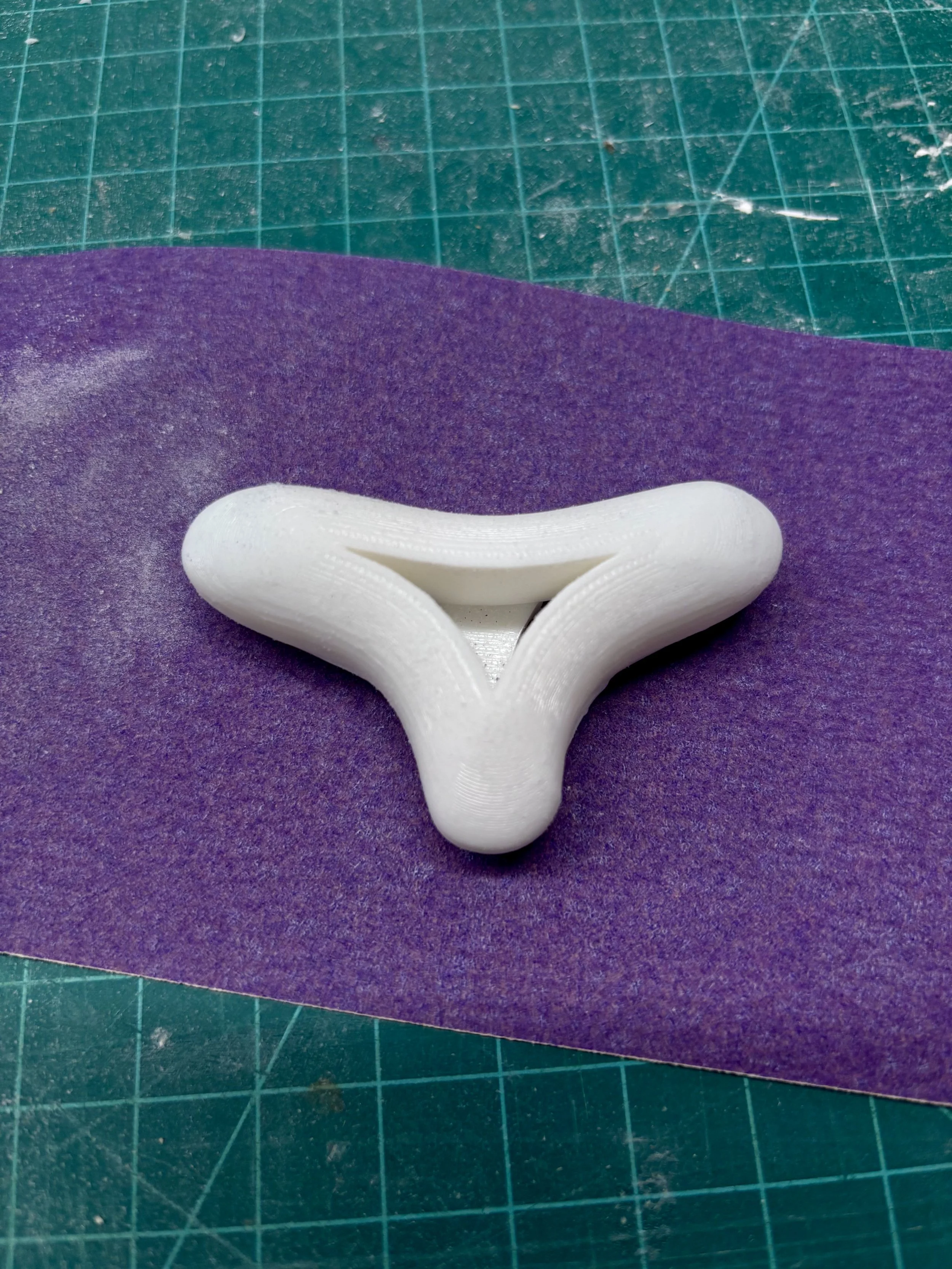
I switched to TPU to make the part more flexible and better able to conform.
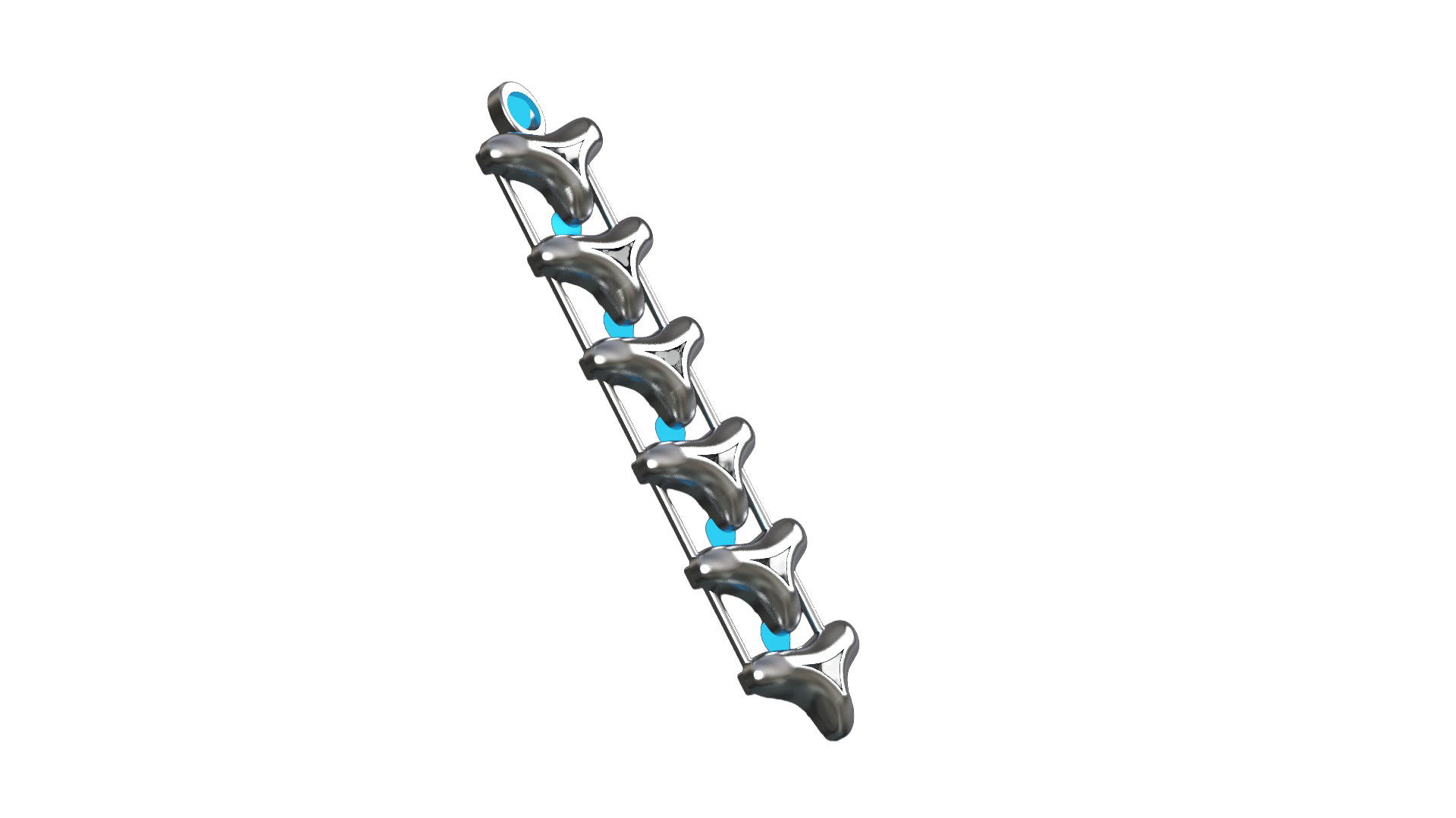
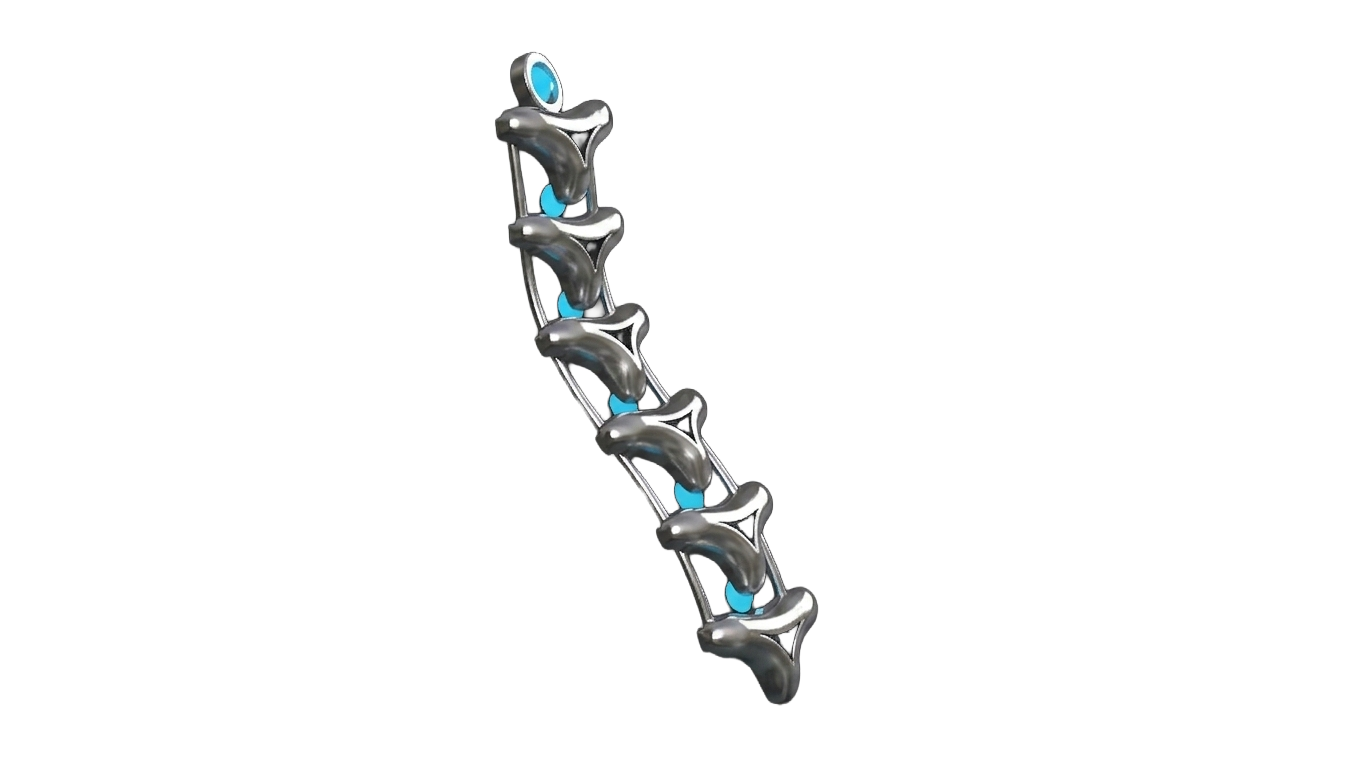
At the core of the design is a spinal centerpiece made from Nitinol wire, a shape-memory alloy that naturally conforms to the wearer’s posture while maintaining adaptive structural support. As integrated sensors detect poor alignment, the system sends currents to the alloy, causing it to tighten. The user is then guided through controlled intervals of tightening and releasing within the brace.
Modeled in SolidWorks and Rendered in Keyshot*
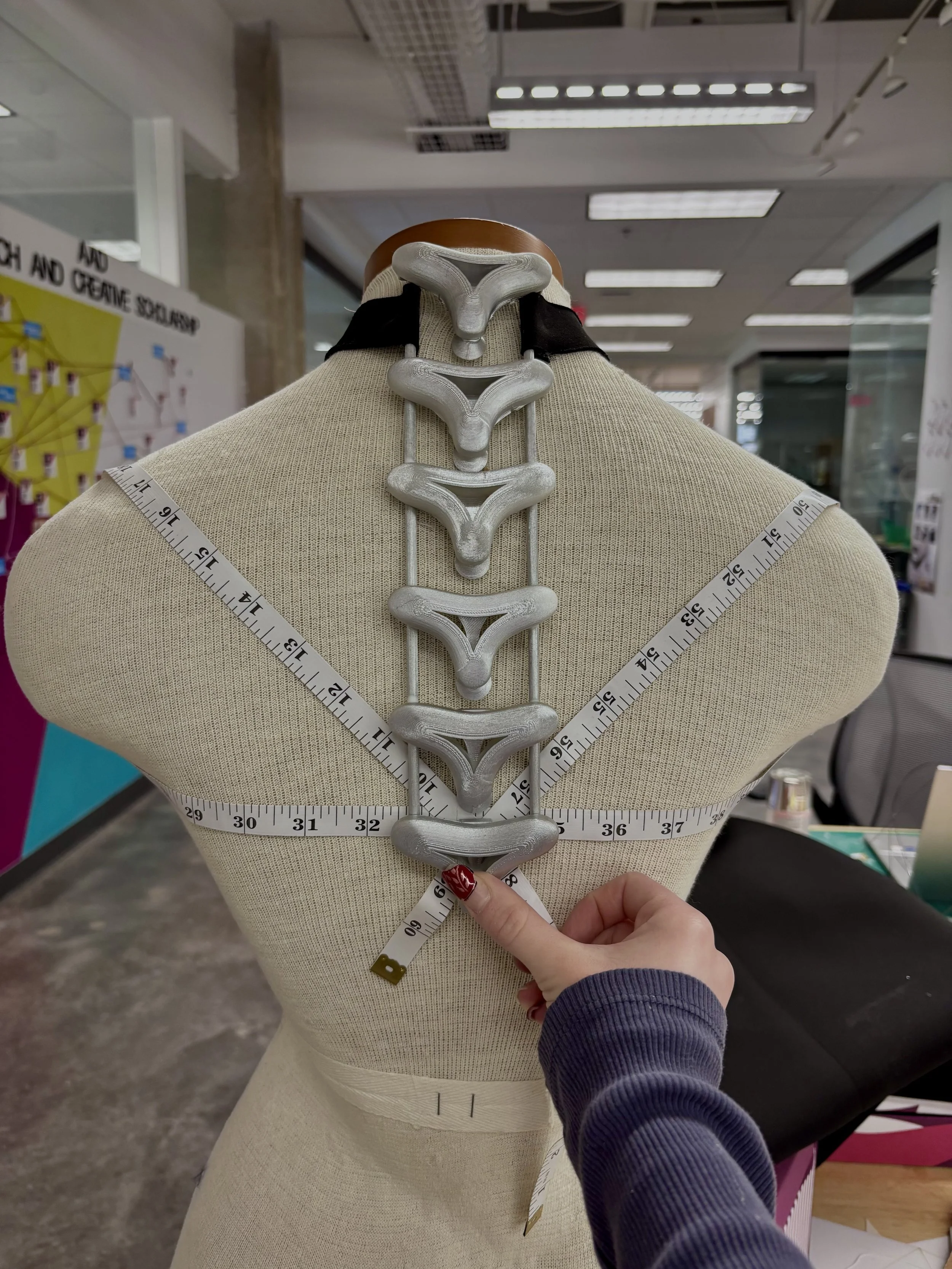
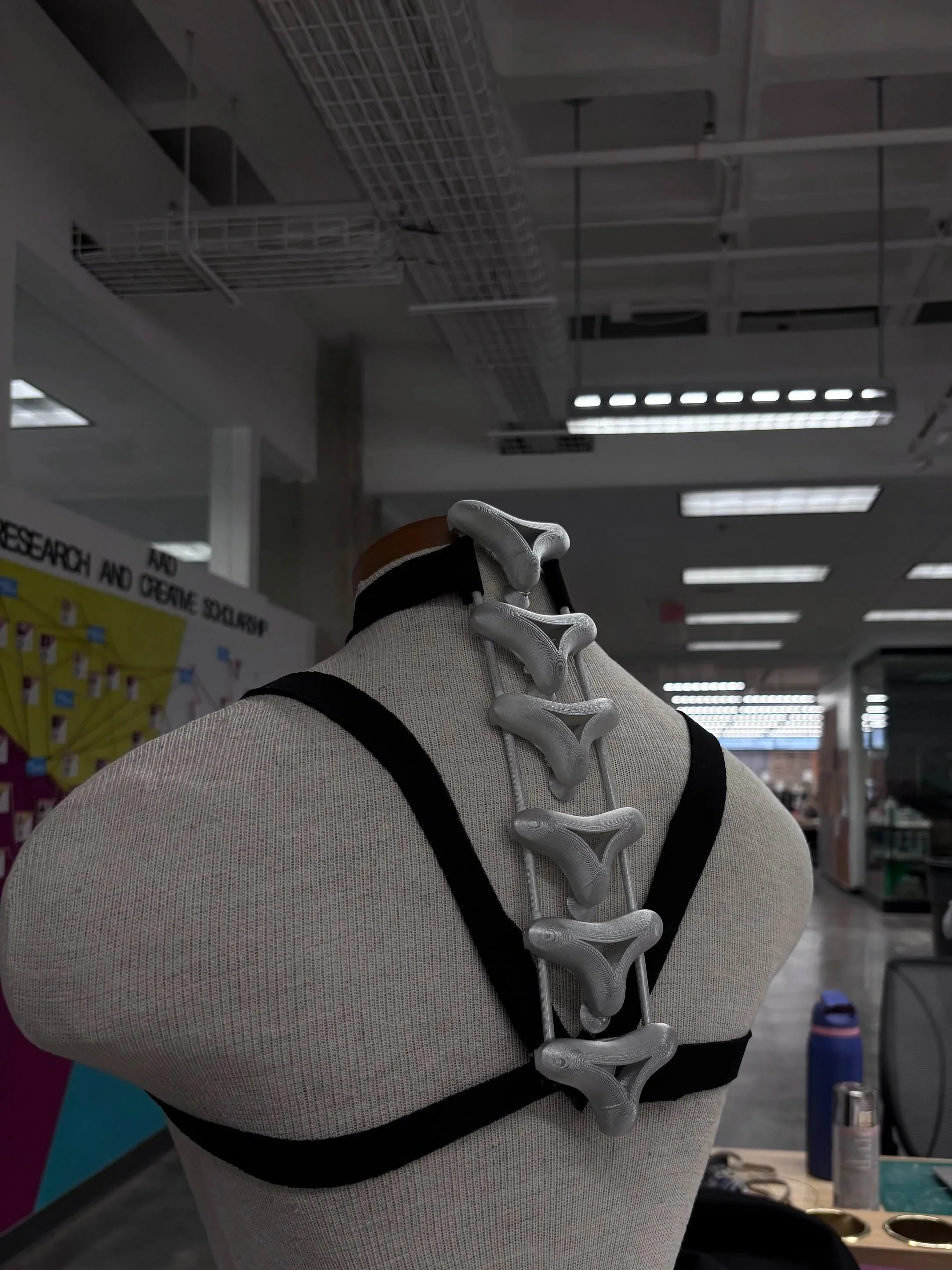
I used a measuring tape to explore ways for the fabric to interact with the centerpiece.
Final Prototyping
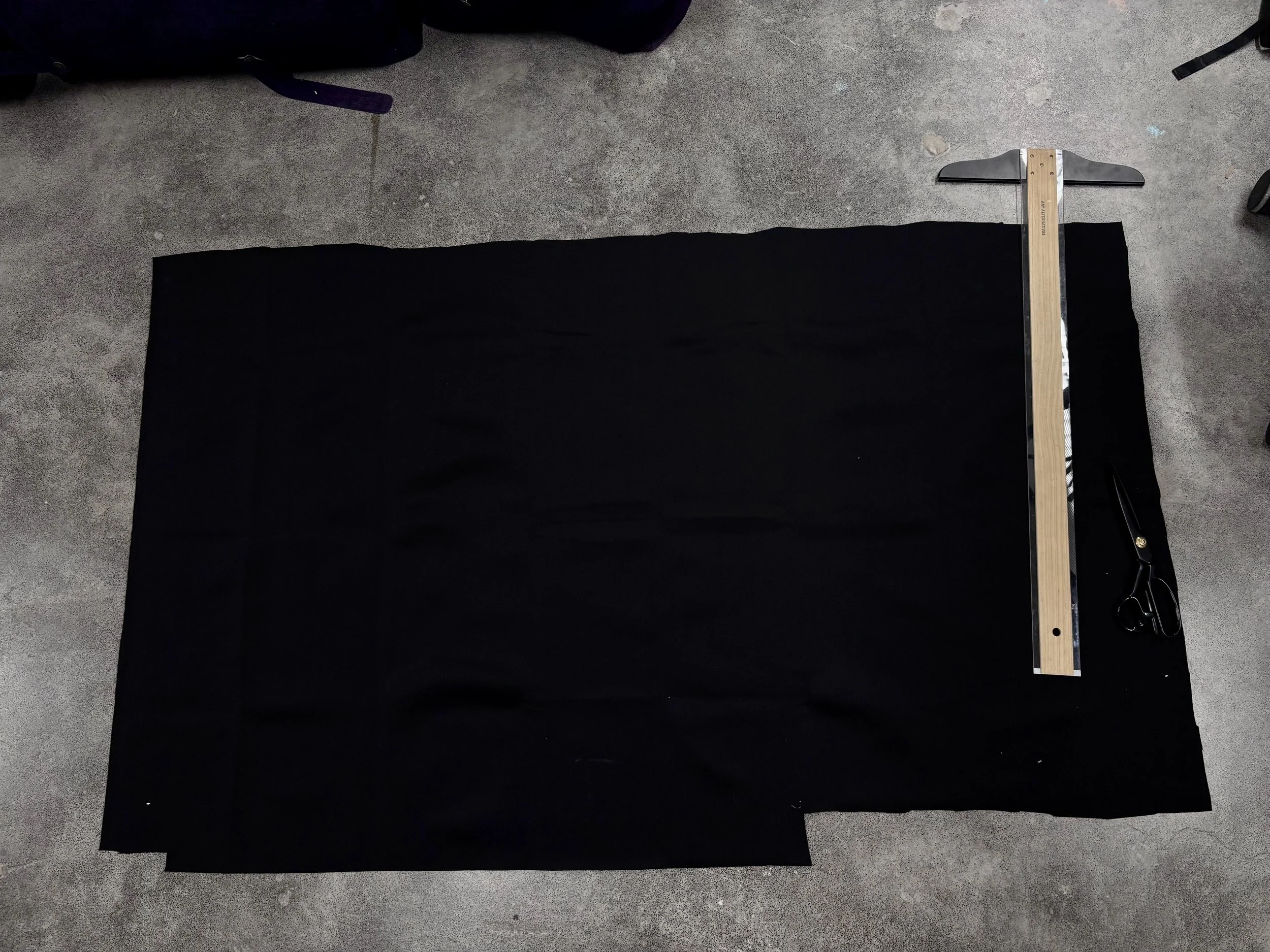
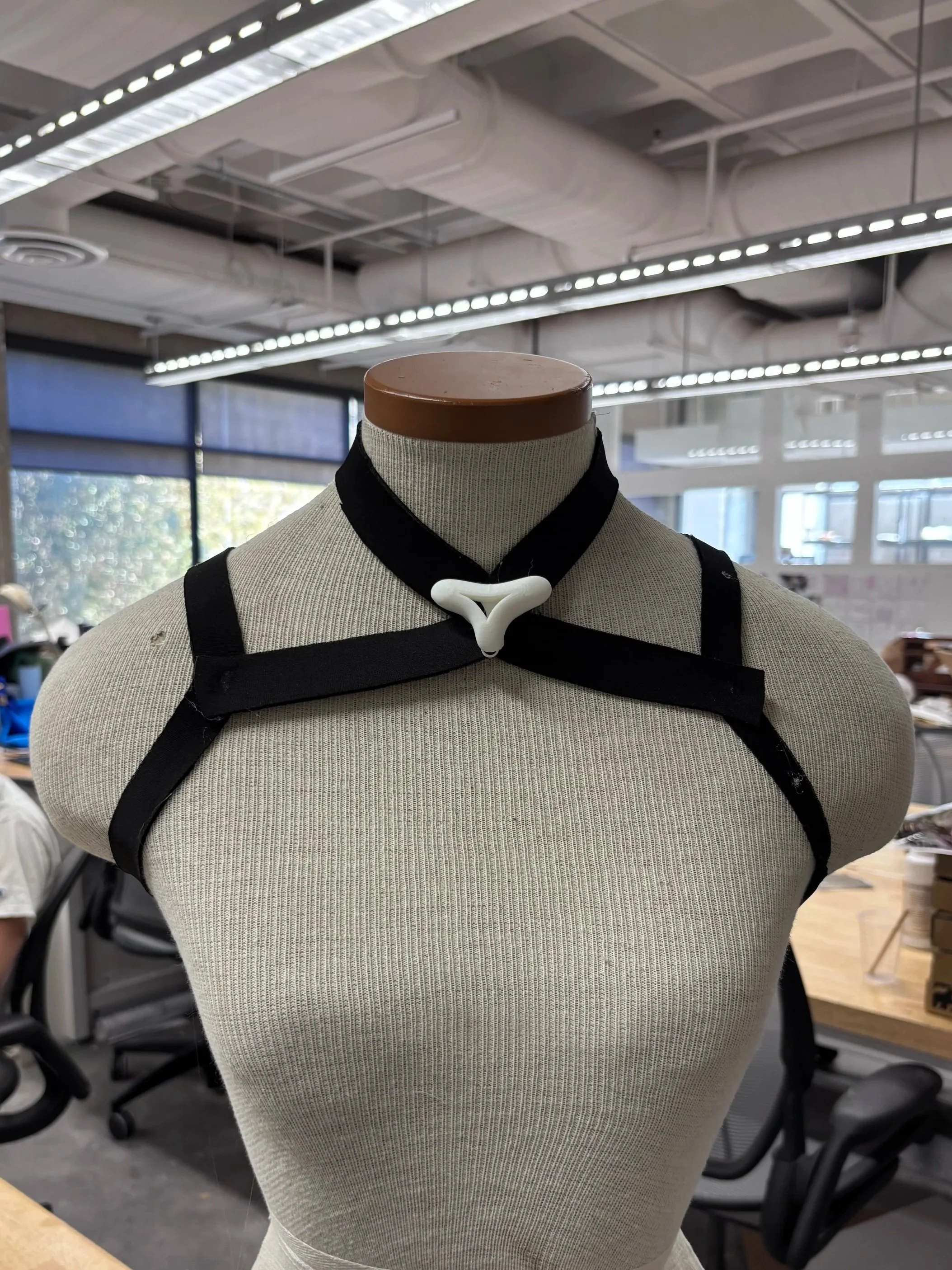
I worked with neoprene fabric for its comfort and inherent stretch, allowing better flexibility and conformity.
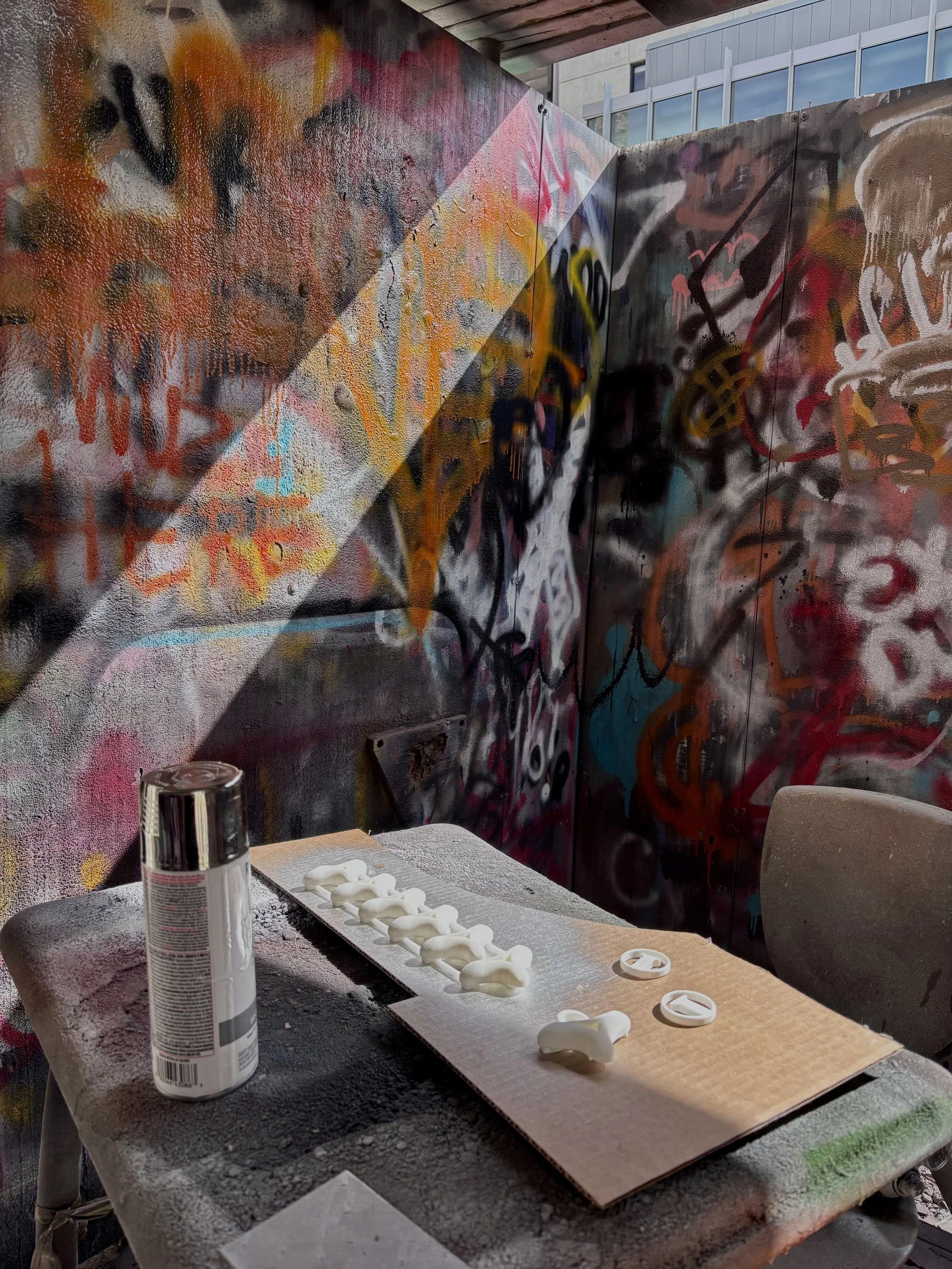
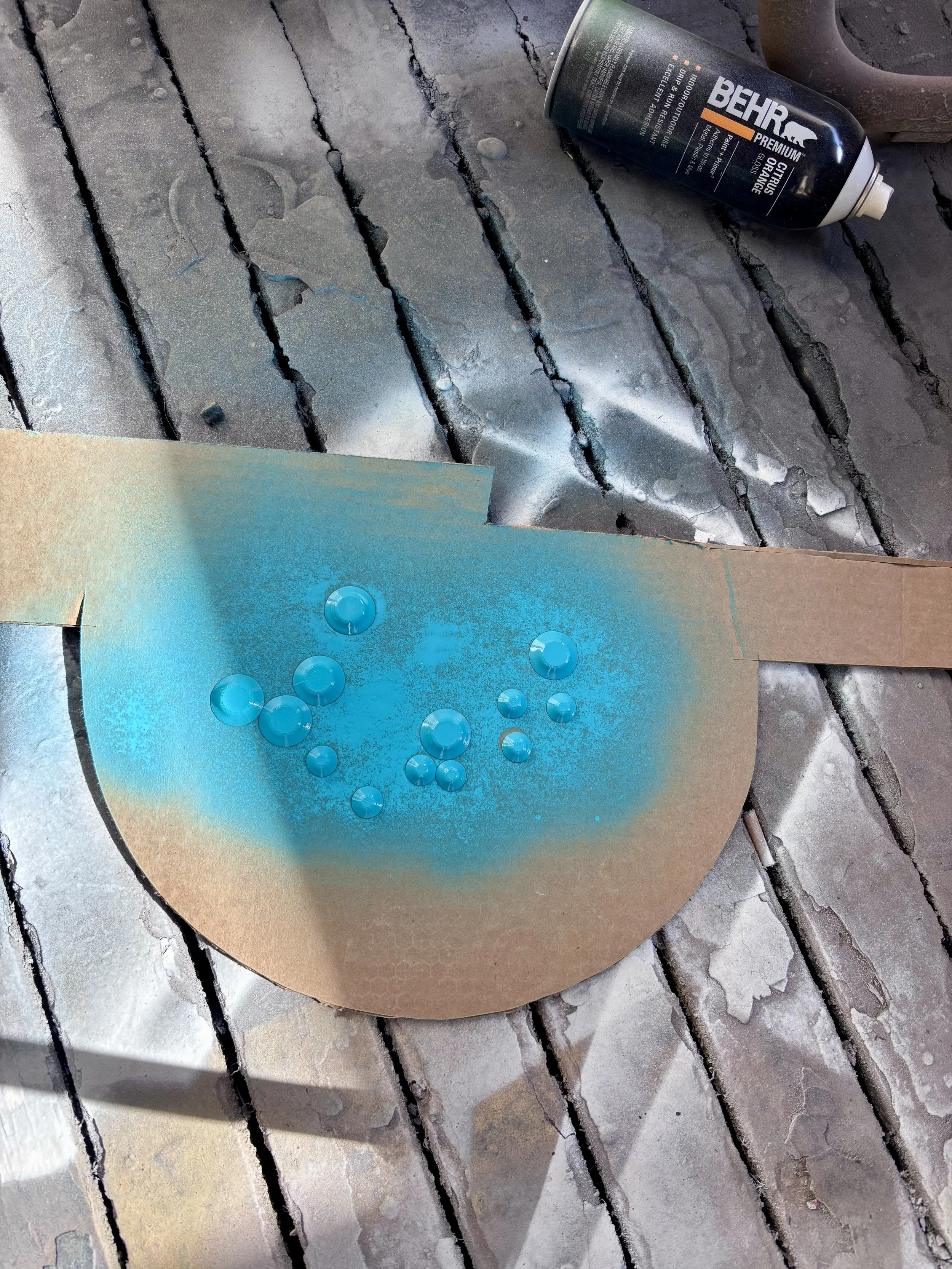
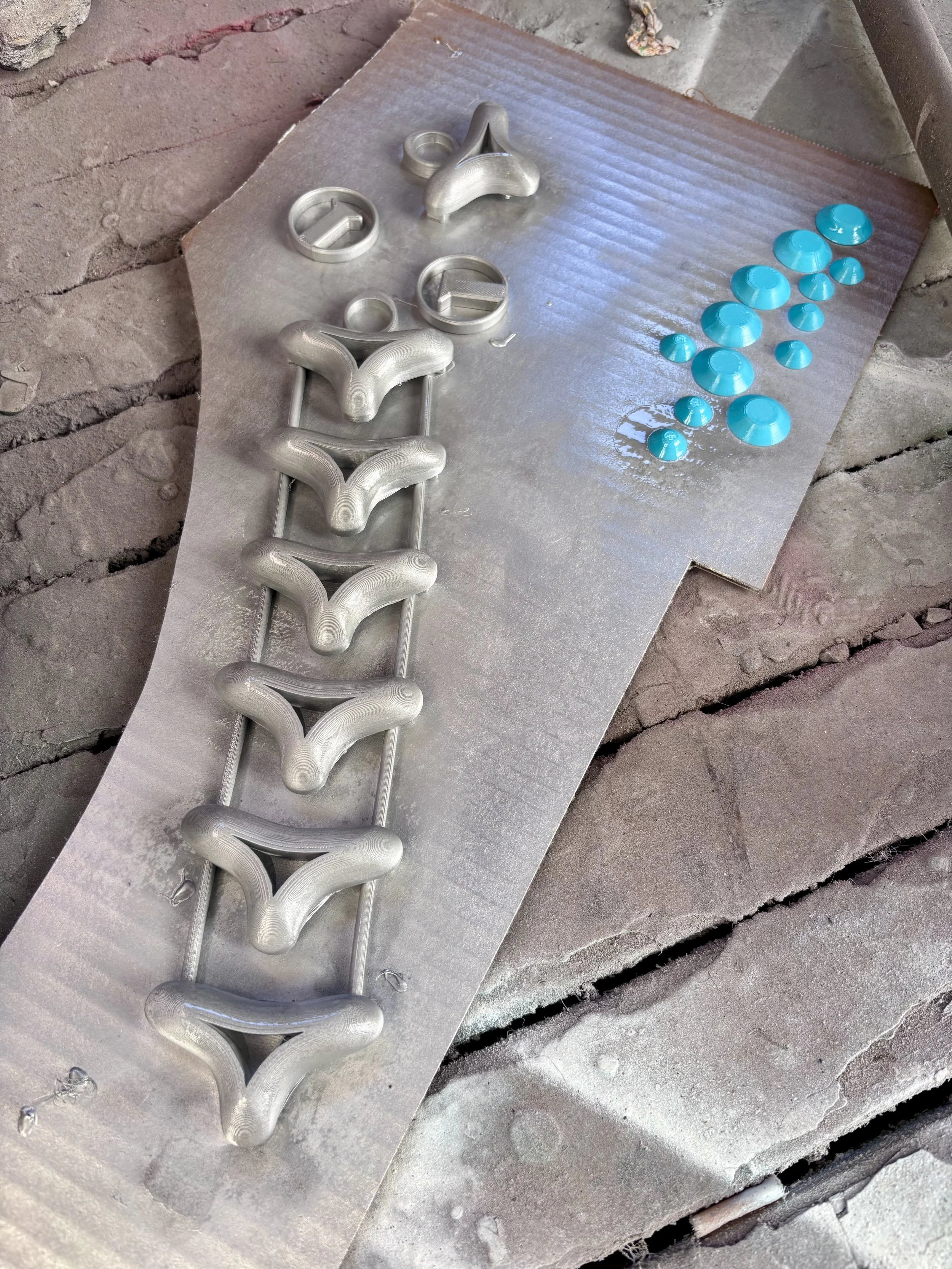
Gloss coat to enhance the prototype.
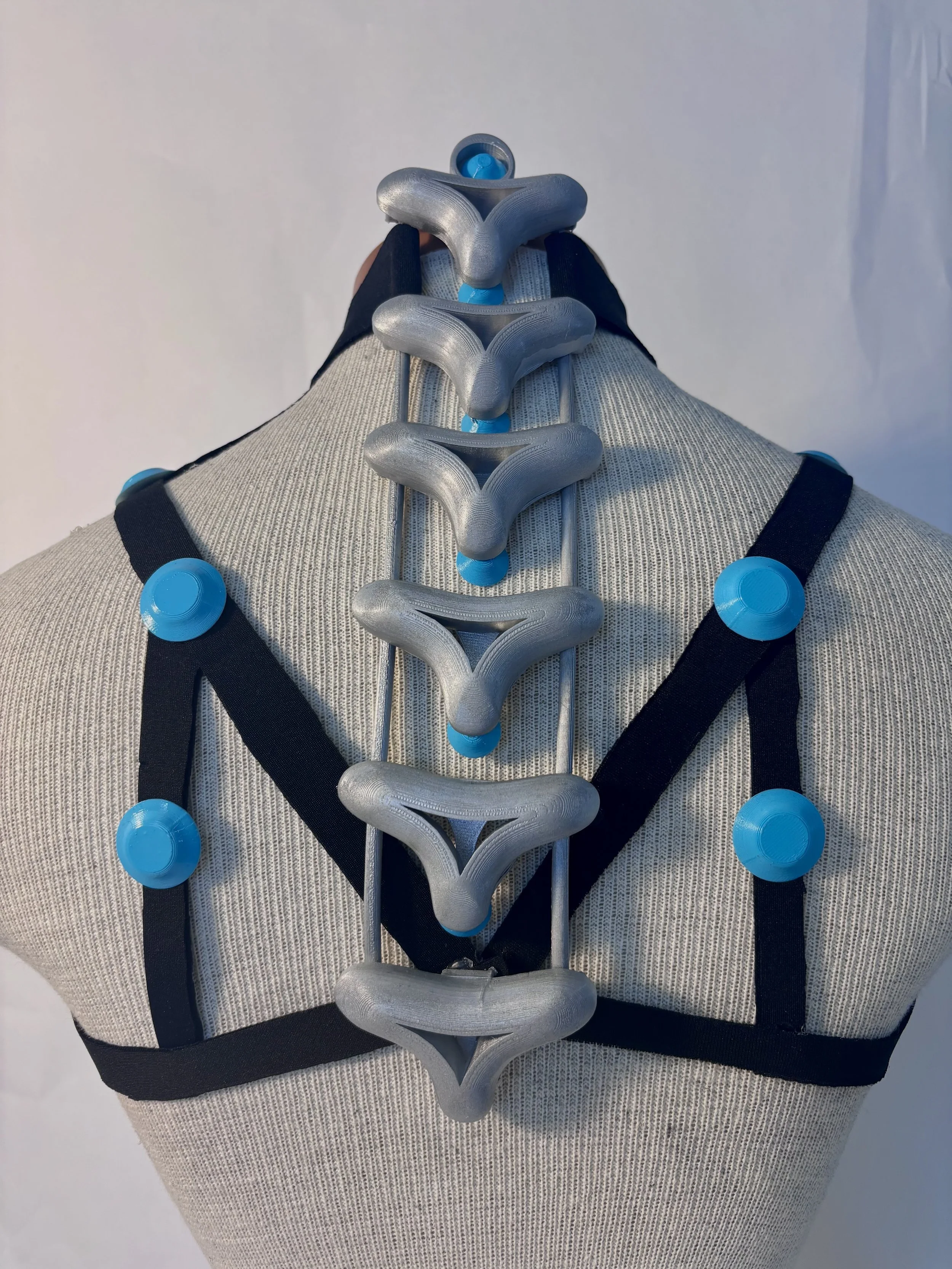
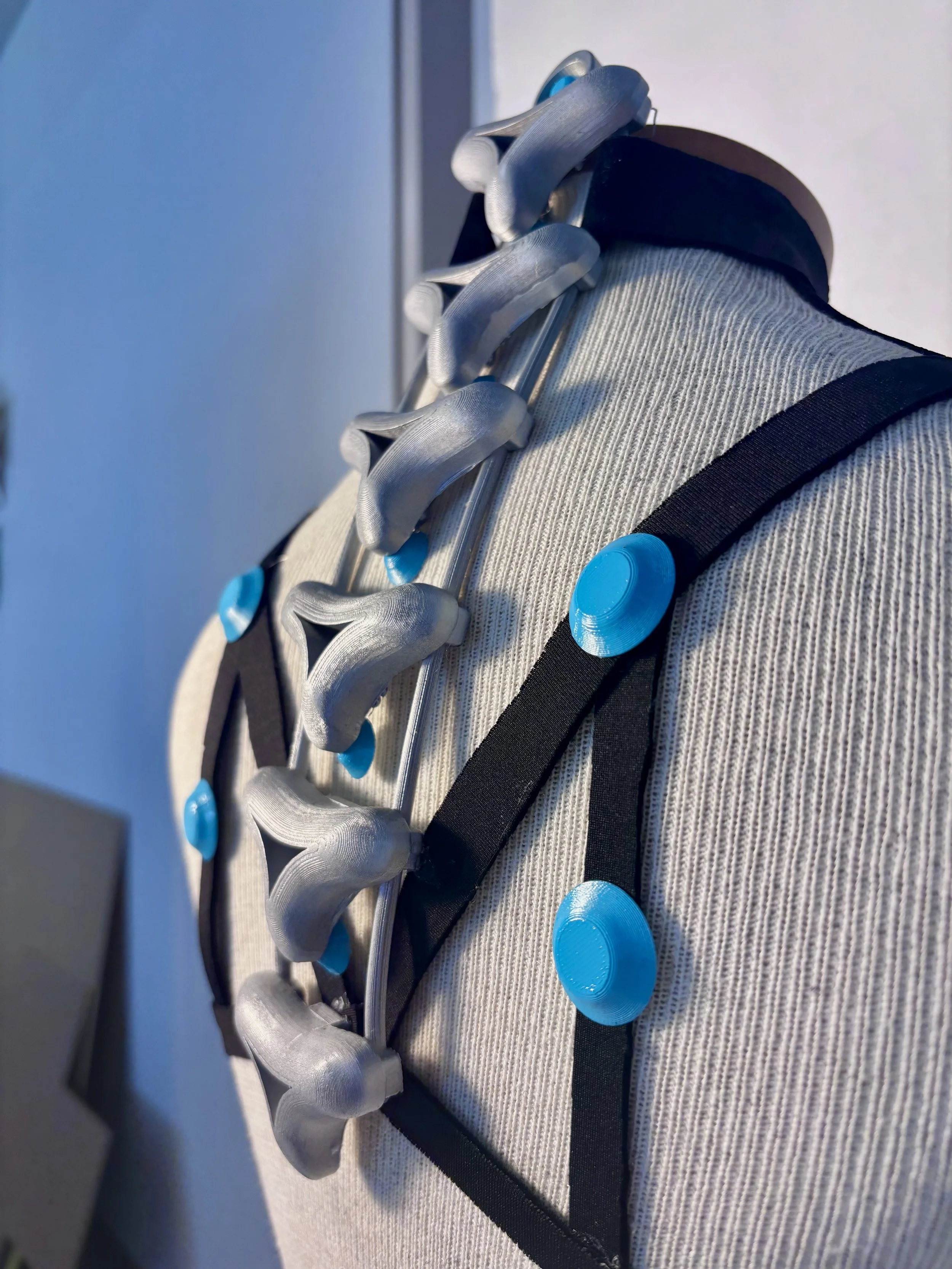

Show Some Spine integrates smart sensors at key spinal pressure points to monitor alignment in real time. When poor posture is detected, subtle vibration alerts activate, prompting your body’s postural muscles to engage and self-correct before strain develops.
The second phase of the design introduces guided resistance training directly through the brace. Controlled tightening and releasing cycles help strengthen posture-supporting muscles, turning correction into active conditioning.
Together, it transforms posture from a passive habit into an intelligent, responsive system for long-term spinal health.
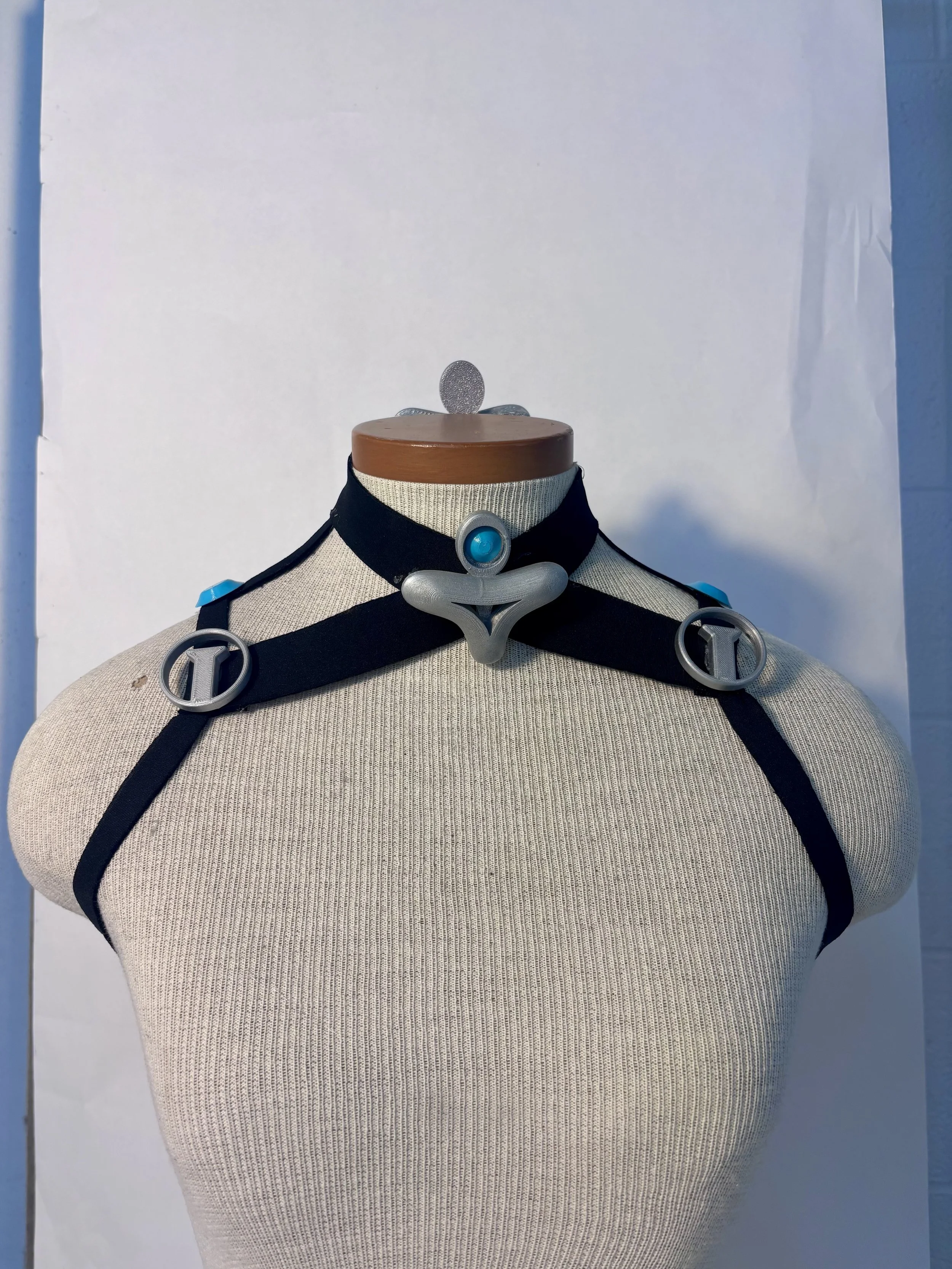
The neck sensor detects forward head posture caused by prolonged phone use, the primary trigger of “text neck.” It continuously monitors cervical alignment and flags when the head moves into a strained forward position, activating immediate feedback.
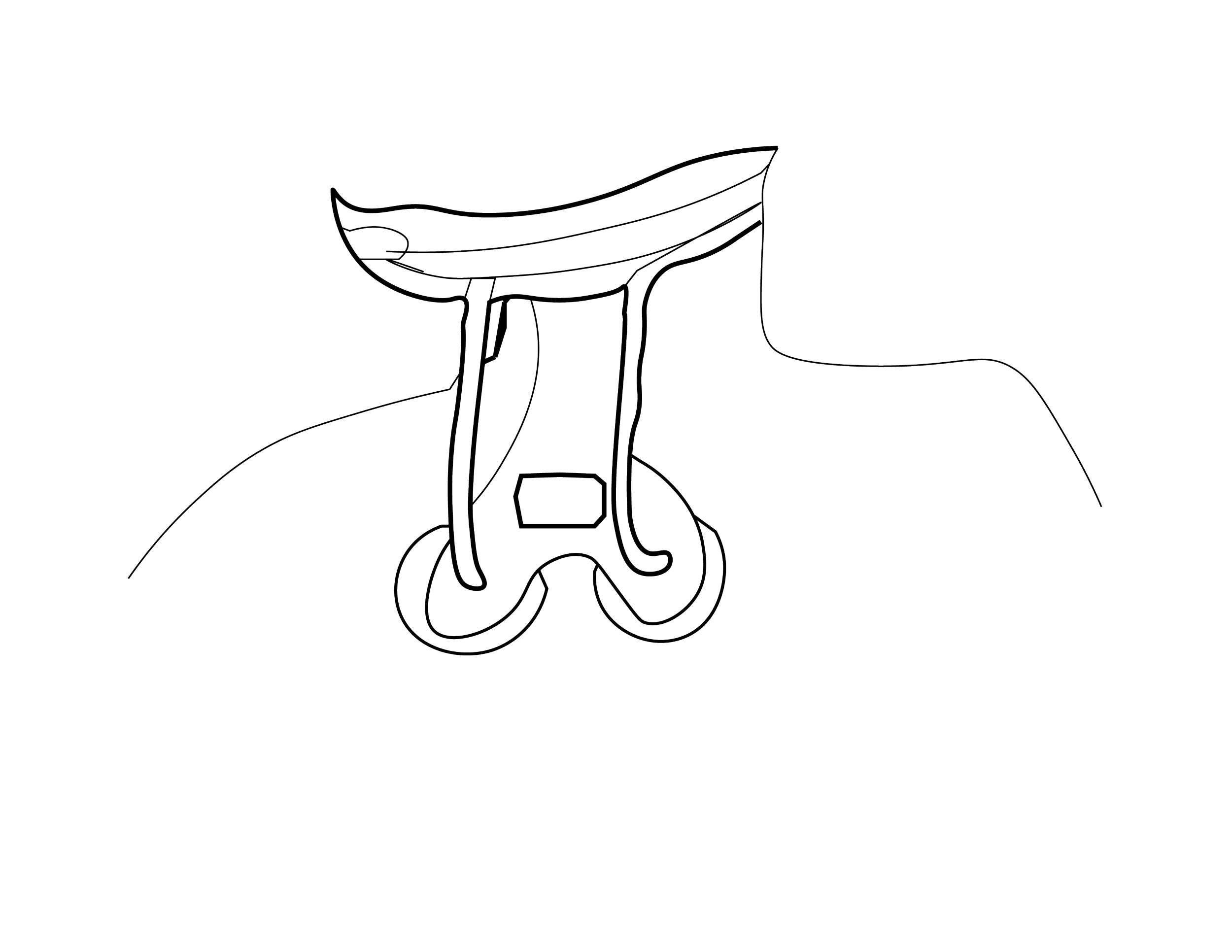
The front is equipped with clips for easy removal and donning.
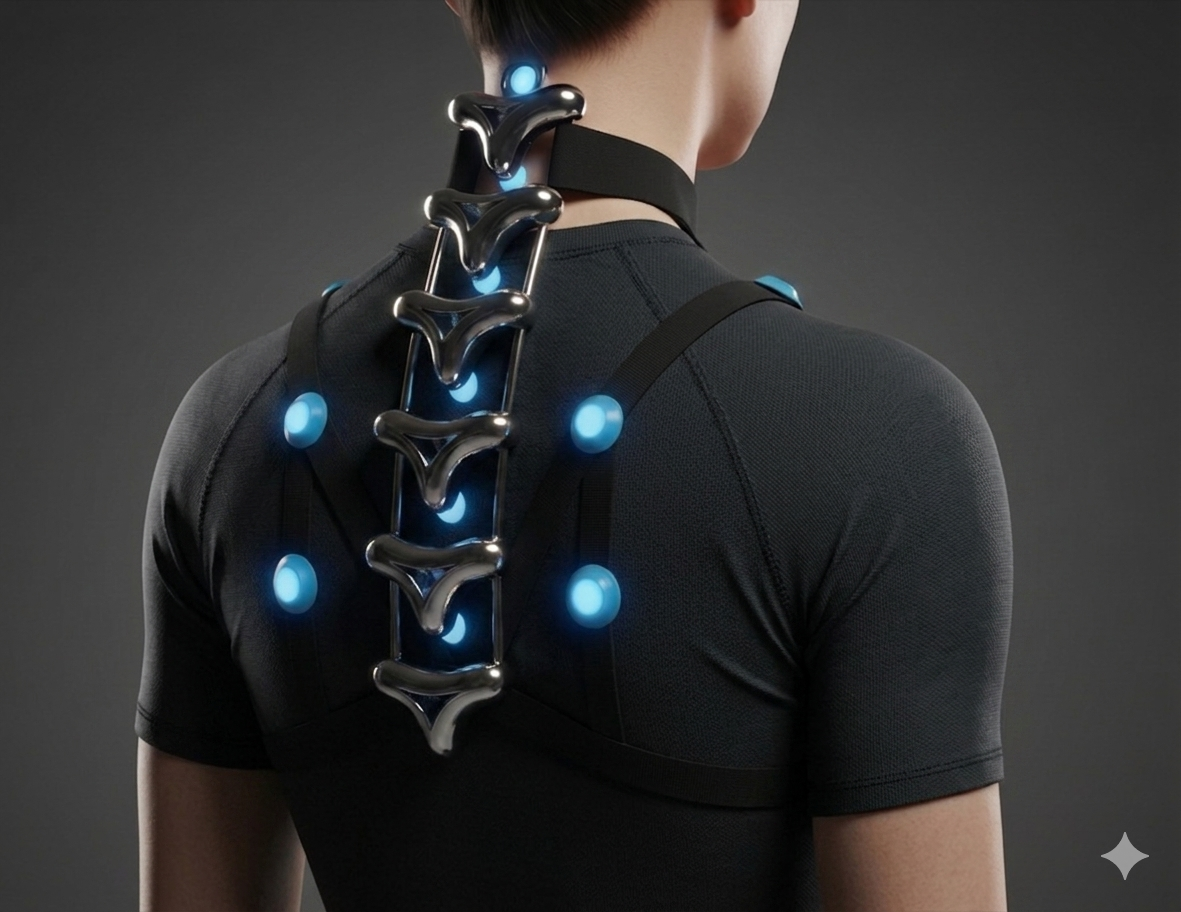
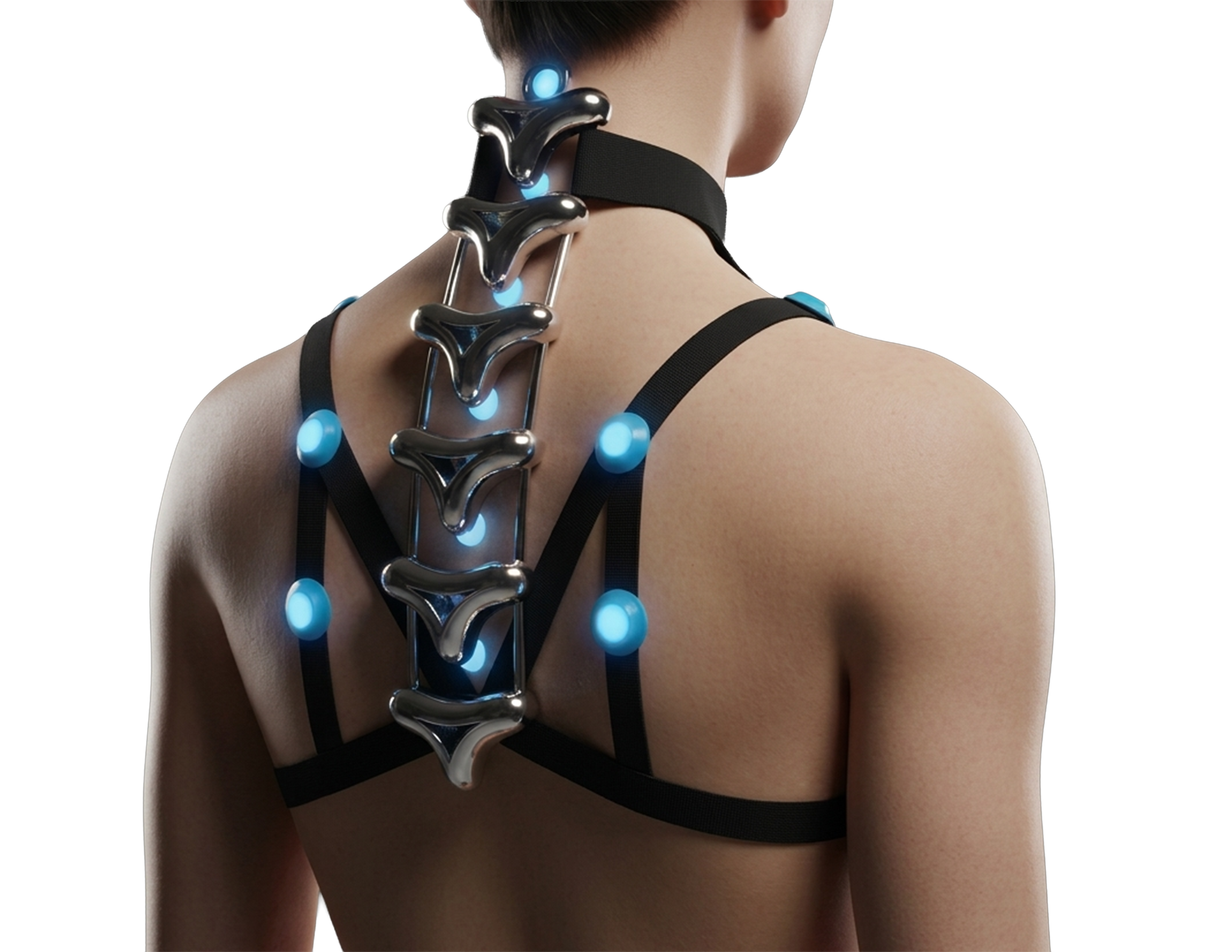
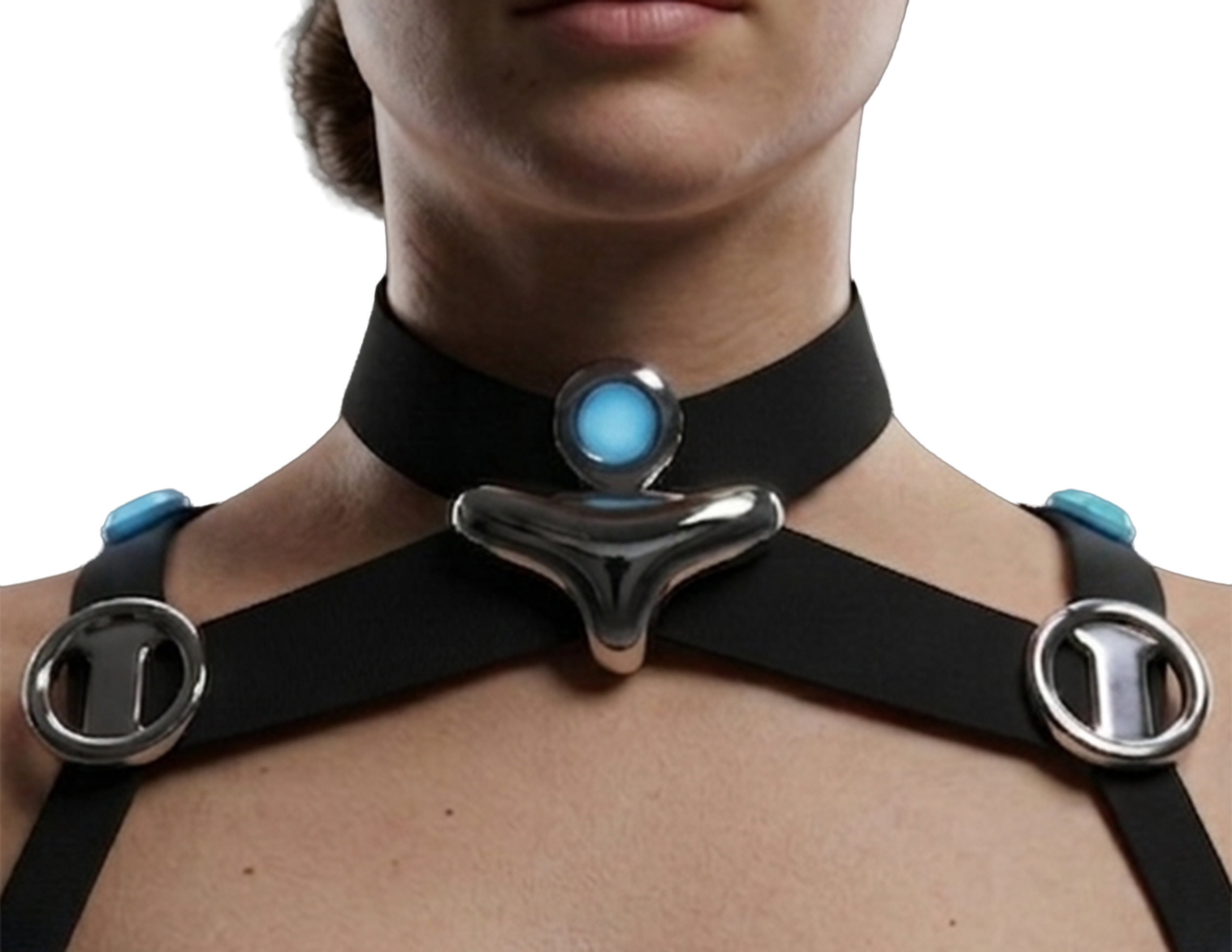
Show Some Spine explores a wearable posture rehabilitation system designed to support spinal alignment and encourage body awareness in daily movement. Through iterative prototyping and material testing, the design evolved to balance structure and flexibility, resulting in a more adaptive system that responds to the body while promoting healthier posture habits.